 John Myers
Introduction: Tanzanian Food Culture
Food is an essential part of the Tanzanian culture. Tanzanian cuisine is a blend of African, Indian, Arabic, and European influences. The country is blessed with a diverse range of agricultural products, spices, and herbs, which significantly impact the flavor and taste of the dishes.
Staple Foods: Ugali, Rice, and Beans
Tanzanian cuisine is dominated by three staple foods: ugali, rice, and beans. Ugali, a thick porridge made from maize flour, is the most common staple food, particularly in rural areas. Rice is widely consumed and is cooked in a variety of styles, including pilau, biryani, and plain boiled rice. Beans are a significant source of protein, and they are typically served cooked with rice or ugali.
Typical Meals: Breakfast, Lunch, and Dinner
Breakfast is the lightest meal of the day and typically consists of tea or coffee, bread, and sometimes, leftovers from the previous night’s dinner. Lunch is the primary meal of the day, and it usually includes a starch, a protein, and vegetables. Dinner is usually lighter than lunch and typically consists of a soup, salad, or leftovers from lunch.
Eating Habits: Hands, Utensils, and Etiquette
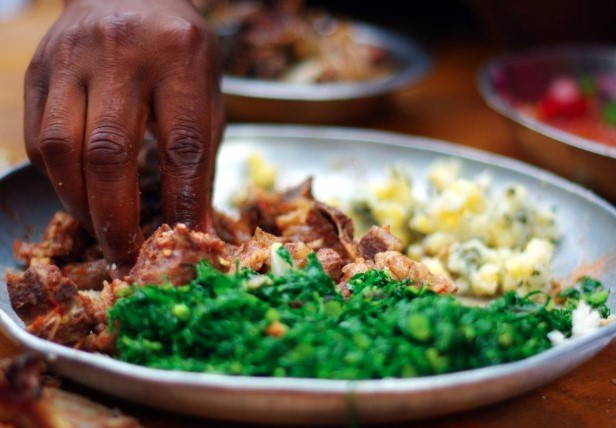
Tanzanians traditionally eat with their right hand, and utensils are only used for serving. It is customary to wash hands before eating, and it is considered rude to eat with your left hand. Tanzanian dining etiquette emphasizes sharing food with others and respecting elders or guests by offering them the best portions of a meal.
Regional Variations: Swahili, Chagga, and Masai
Tanzania’s different regions have unique food cultures. In the coastal areas, Swahili cuisine is prevalent, and it is heavily influenced by Indian and Arabic flavors. The Chagga people of the Kilimanjaro region eat a lot of bananas, and their dishes are known for being spicy. The Masai, on the other hand, are cattle herders, and their diet primarily consists of milk, blood, and meat.
Influences: Indian, Arabic, and Western Cuisine
Tanzanian cuisine has been influenced by various cultures over the years. The Indian and Arabic communities have brought significant flavors and spices to the country, such as cardamom, cloves, and cinnamon, which are commonly used in Tanzanian dishes. Western cuisine has also made its mark, and Tanzanians now incorporate pasta, burgers, and pizzas into their meals.


Facebook Comments