 John Myers
Introduction: Tanzanian Cuisine
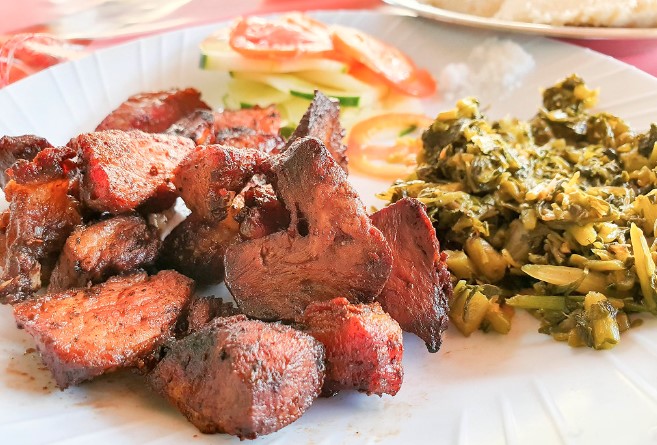
Tanzania, located in East Africa, is a country with a diverse range of cultures and cuisines. Tanzanian cuisine is a reflection of this diversity, with a blend of African, Arab, Indian, and European influences. The cuisine is characterized by the use of spices, herbs, and vegetables, with meat and fish being the primary source of protein. Tanzanian food is known for its bold flavors and unique combinations, making it a popular choice for food lovers around the world.
Arab Influences in Tanzanian Food
Arab influences in Tanzanian cuisine can be traced back to the 8th century when the Arab traders introduced Islam and their culinary traditions to the Swahili coast. The use of spices such as cardamom, cinnamon, and cumin is a significant influence of Arab cuisine on Tanzanian food. The popular dishes like pilau rice, biryani, and samosas have their roots in Arab cuisine.
Indian Influences in Tanzanian Food
Indian cuisine has had a significant influence on Tanzanian food since the 19th century when Indians migrated to Tanzania as laborers. Indian spices, such as turmeric, coriander, and cumin, are commonly used in Tanzanian cooking. The use of lentils, chickpeas, and bean curd is also a reflection of Indian culinary practices. Dishes like chapati, curries, and samosas are a popular part of Tanzanian cuisine.
European Influences in Tanzanian Food
The Portuguese, Germans, and British colonized Tanzania in the past, and their culinary influences can still be felt in Tanzanian food. The Germans introduced sausages, while the British brought tea and bread. The Portuguese introduced chilies and tomatoes, which have become a staple of Tanzanian food. The fusion of European and African culinary traditions is evident in dishes such as pilau rice, which has Portuguese and Indian influences.
African Influences in Tanzanian Food
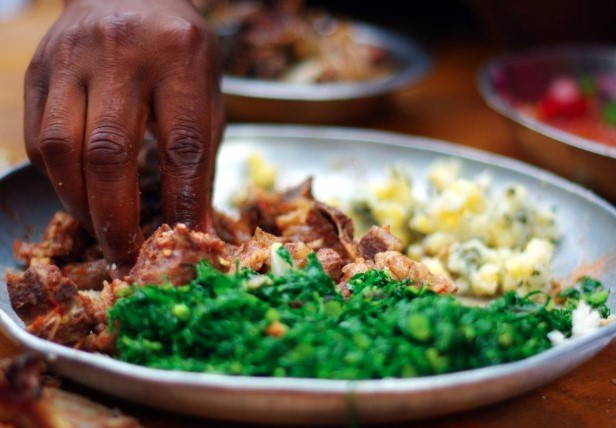
Traditional African cuisine has also had a significant influence on Tanzanian food. The use of maize, cassava, and plantains is a reflection of African culinary practices. Grilled meat and fish are also a significant part of Tanzanian food culture. Dishes like nyama choma, a grilled meat dish, is a popular delicacy in Tanzania.
Conclusion: A Fusion of Cuisines in Tanzanian Food
In conclusion, Tanzanian cuisine is a fusion of African, Arab, Indian, and European culinary traditions. The use of spices, herbs, and vegetables is a common theme in Tanzanian food. With its bold flavors and unique combinations, Tanzanian food has become popular around the world. The blend of different cuisines is a reflection of the diverse cultural influences in Tanzania, making it a must-try for food lovers.


Facebook Comments