 John Myers
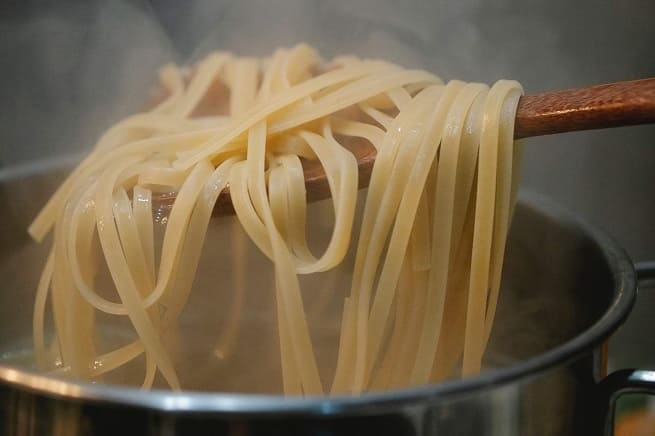
Boiling pure water means you don’t have to worry about it boiling over. Even with added salt, it does not overflow the edge of the pot. The water can only boil over if it contains protein or starch. In the kitchen, this primarily affects milk, broth, pasta water, and cooking water for potatoes, rice, and legumes.
Liquids that have reached their boiling point begin to fizz. The boiling point of water is 100 degrees Celsius. Gas bubbles form, which rises to the top and burst again immediately when the water is pure. However, if the bubbles are stabilized by coagulated protein or sticky starch, they burst with a delay and multiply the volume of the pot contents in the form of foam.
There are several ways to prevent this overcooking. For example, it can help to add some butter, margarine, or oil to the cooking water. Because of the fat, the gas bubbles cannot solidify as much. However, this method is not recommended for pasta water, because if pasta is cooked with fat, it will no longer absorb the sauce properly later on – and you don’t just want to avoid that with our pumpkin pasta. However, this can be useful for potatoes or legumes.
As a rule, it is also sufficient if you boil the water just once and then reduce the heat. Noodles, potatoes, rice, legumes, and vegetables will also cook at temperatures below the boiling point. Put potatoes, legumes, vegetables, and rice in cold water and boil everything together. Put the pasta in the boiling pasta water. Once boiling is reached, turn the heat down to medium so the liquid doesn’t get hot enough to boil over.
If you cook with the lid closed, the temperature inside the pot can rise higher than in an open pot. This saves energy but can encourage overcooking. When cooking in a closed pot, it is better to set the heat a little lower and keep an eye on the pot. Once it starts stirring, you should lift the lid to allow the heat to escape.
Occasional stirring also prevents boiling over, since the movement destroys rising gas bubbles. You can also find temporary relief by blowing into the foam on the surface. However, new gas bubbles then quickly rise. Therefore, reduce the heat afterward and stir the food. Armed with these tips, we wish you a lot of fun cooking. For example, try our lentil noodle recipe or our delicious tagliatelle recipe!


Facebook Comments