 John Myers
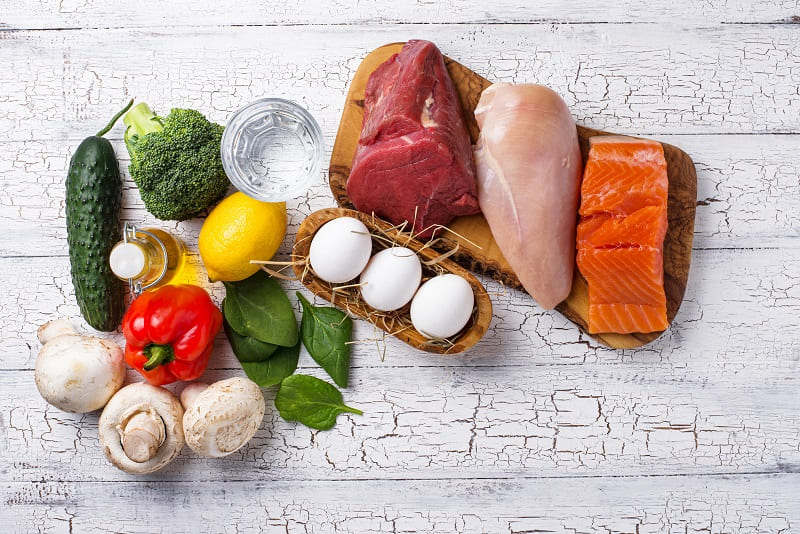
Proteins are among the most important building blocks of our body. They are constantly being dismantled, but also rebuilt and rebuilt. Regular replenishment through nutrition is therefore particularly important. Proteins perform numerous important functions in the body: For example, they contribute to building and maintaining muscle mass and normal bones. In addition, hormones and enzymes are made of proteins.
The daily protein requirement depends on both age and body weight. While the need for infants in the first month of life is very high at 2.7 grams per kilo body weight, it decreases over the course of life:
- 1 to 3 years: 1.0 g/kg
- 4 to 14 years: 0.9 g/kg
- 15 to 18 years: 0.9 g/kg (boys), 0.8 g/kg (girls)
- From 19 years: 0.8 g/kg
From the 4th month of pregnancy, the daily protein requirement increases. During lactation, the need for protein increases by 2 g per 100 g of secreted milk.
For example, if you weigh 60 kilograms, you need 48 grams of protein per day. With a body weight of 80 kilograms, it is already 64 grams. The requirement can easily be covered with protein-containing foods. The body can process proteins from animal sources particularly well. These include milk and dairy products, meat, fish, and eggs.
On the other hand, plant foods with a lot of protein are cereals, potatoes, legumes, and some vegetables. Those who, like vegans, only cover their needs with plant-based foods should pay attention to cheap protein combinations such as soy and grain or beans and corn. However, deficiency symptoms are rather rare in this country.



Facebook Comments