 John Myers
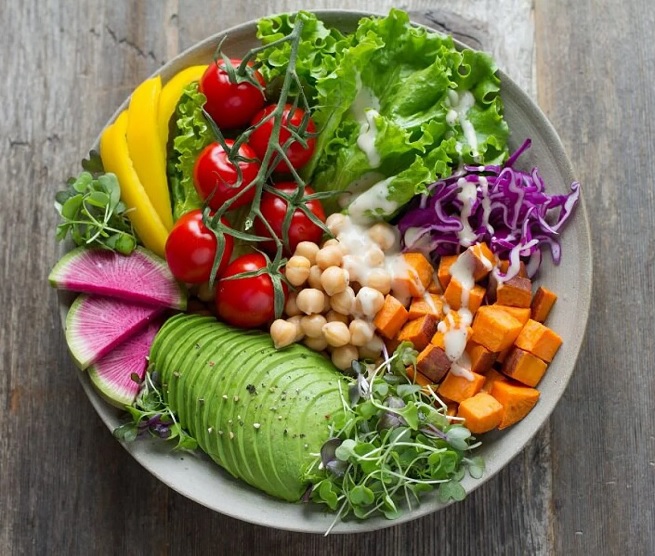
People choose to go vegan for a variety of reasons. However, there is no panacea for the conversion phase. However, it is essential to first find out about the purely plant-based form of nutrition. This is the only way to ensure that you eat a balanced diet and that there are no nutrient deficiencies. In addition, basic knowledge of ingredients and additives is essential, because products that appear vegan at first glance are not always 100% plant-based. After that, the best way to transition to vegan food is to find your own pace. Whether you change gradually or from one day to the next is primarily a question of type and cannot be fixed for every person.
In order to find your own pace for the transition to a vegan diet, it is important not to be influenced too much by the outside world. An environment that would like to convince you that your decision is unhealthy is just as counterproductive as strict vegans who do not give you time for a slow transition.
If you are unsure which vegan dishes you like, it is advisable to prepare a vegan version of your favorite dishes, especially at the beginning. Instead of salami or ham, the breakfast bread can be topped with vegan cold cuts or vegetable spreads, for example. The cheese on the pizza can be replaced with vegan cheese substitutes or yeast melt. Chopped cashew nuts are also a suitable alternative to pizza cheese. Instead of meat, you can use substitutes like tofu, seitan, or tempeh. Take your time trying out the herbal products. If necessary, a vegan cooking class can also help to get to know new ingredients and how to prepare them.
A balanced vegan diet can significantly improve well-being. Nevertheless, vegans should be regularly examined by a doctor. A blood test can provide information as to whether it is possible to take in sufficient amounts of vitamins and nutrients when switching to a vegan diet. Any deficiencies that may occur can be quickly detected with such a test and the diet can be adjusted accordingly.



Facebook Comments