 John Myers

Ingredients for 1 servings:
- 250 g chickpeas, dry
- ½ tsp baking powder
- 100 ml tahini (sesame paste), untreated
- 150 ml water
- 1 ½ lemon(s), fresh
- ¼ tsp cumin powder
- 1 garlic clove(s)
- n. B. Salt
- 1 tbsp pine nuts
- 1 pinch(s) sweet paprika powder
- 1 tbsp olive oil
- e.g. parsley, flat-leaf, finely chopped
- some sambal oelek or harissa
Instructions
Working time approx. 20 minutes; Rest time approx. 12 hours; Cooking/baking time approx. 1 hour 30 minutes; Total time approx. 13 hours 50 minutes
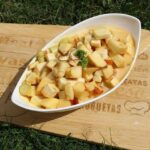
Chickpea paste with sesame sauce
The night before, place the chickpeas in a large, lidded pot and fill with 3 liters of water, enough to cover the chickpeas well. Add the baking powder and mix well. Cover the pot and let the chickpeas steep overnight. The chickpeas will triple in size overnight and absorb water, and the baking powder helps with this. Without the baking powder, they will remain small and take much longer to cook. The next day, sift the chickpeas and wash the pot and chickpeas thoroughly. Return the chickpeas to the pot, fill with water again, well above the chickpeas, and simmer uncovered. When the water is boiling, reduce the heat to low and continue simmering, skimming off any foam that forms. Cook until the chickpeas are as soft as butter. Rinse with cold water and drain well. When the chickpeas are cold, place them in a bowl and add the sesame paste, 150 ml water, and the lemon juice. You can be careful with the lemon juice and add the juice of just one lemon to start with, and then the juice of the remaining half if needed, so the hummus doesn’t become too sour. Add the garlic clove, salt, and cumin powder and blend everything thoroughly with a hand blender until you get a smooth, supple paste. Add a little more water if necessary to prevent the paste from becoming too stiff. Taste and adjust the seasoning, then refrigerate. Now prepare the tahini sauce. You can find the recipe here: http://www.chefkoch.de/rezepte/1120651218353124/Tahini-Sauce.html Lightly toast the pine nuts in a pan without oil. To serve, spoon 2 tablespoons of hummus into deep plates and spread it around the edge of the plate like a dam. Add 2 tablespoons of the prepared tahini sauce, sprinkle with a little paprika, drizzle with a little olive oil, garnish with the pine nuts, and decorate with some chopped parsley. Place a dollop of sambal oelek on the side. Serve with a salad of tomatoes, cucumbers, and onions, seasoned with lemon juice, salt, pepper, parsley, cilantro, and mint. Olives, pickles, hot peppers, and, of course, pita bread are also good options. You can also serve falafel with it, and the meal is perfect. I also have a falafel recipe on this site. Notes: It’s advisable to get 2 cans of sesame paste, as you can also use tahini to adjust the consistency and flavor if something goes wrong. Mixing pure sesame paste, i.e., untreated, with just lemon juice makes the paste impossible to work with without water, as the lemon juice makes the tahini tough, hard as glue. So you always have to add water, in the same amount as tahini, to get a good sauce. During the night, the sesame paste absorbs the water and becomes a little stiff, so it’s a good idea to add a little more water the next day to make the sesame paste more fluid. And in general, tahini tastes better when served the next day. You have to taste it and adjust the seasoning first. And most importantly: Turks eat tahini sweet with honey and pekmez. Pekmez is a powder made from ground grape seeds, which makes tahini bitter. Therefore, it’s a good idea to read the list of ingredients on the label of the jar of tahini before buying it, so you don’t have to worry about bitterness. It’s supposed to be 100% sesame paste with no additives.


Facebook Comments