 John Myers
Contents
show
Making Apple Cider
The perfect making apple cider recipe with a picture and simple step-by-step instructions.
- 9 l Naturally juiced apple juice
- 1 kg Sugar
description
- Who does not know it. The apple tree hangs stiffly full of ripe apples, the windfalls are rotting on the ground. There are just too many apples to eat at once. A good alternative to using these apples is to make cider. It has a long shelf life when sulphurized and bottled and you can enjoy it all year round.
Necessary tools
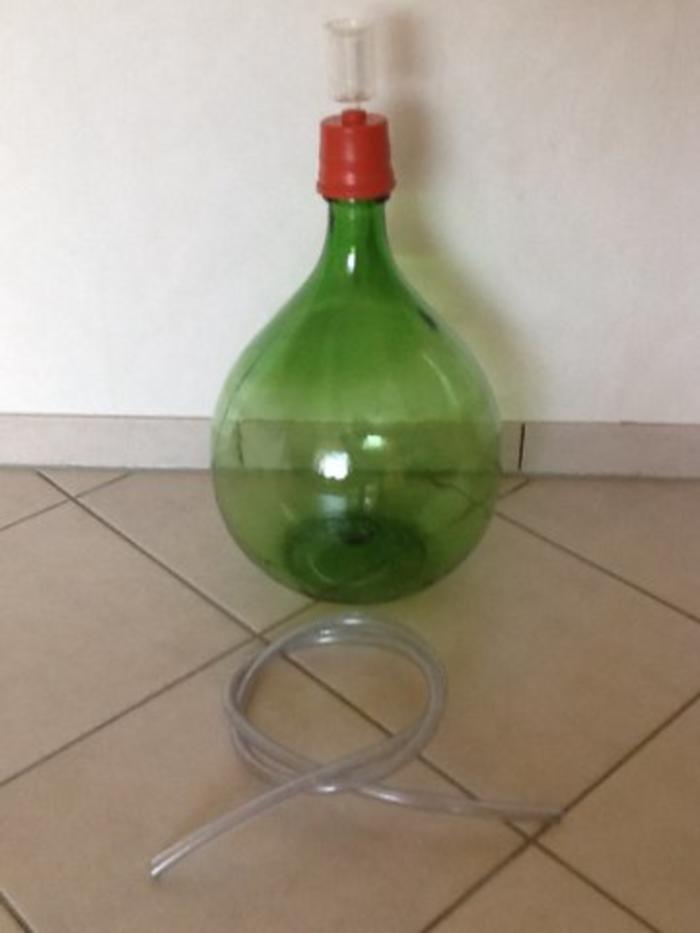
- The following tools are required: – Glass container (it is best to start with a 10 liter container) – Matching rubber cap with 1 cm round opening – Plastic siphon for 1 cm round opening – Plastic hose (length min.1.5 m, inner diameter 0 , 5-0.7cm) – Electric juicer
Apple juice production
- When the tools are available, you can start harvesting. Wash, quarter and core the apples with water and place in a clean, cold water bath. There is no need to peel the apples. When using windfalls, remove the rotten areas generously. While one person washes and prepares the apples, another person should put the clean apple pieces into the juicer. Pour the juice obtained into the glass container. The glass container should be filled with a maximum of 8.5 – 9 liters of juice. Close the glass container with the rubber cap, attach the plastic siphon and fill it with a little water. It is important that the apple juice is protected from further air ingress. Now put the glass container on the shelf in the cellar and wait.
Fermentation process and addition of sugar
- What happens now? The naturally obtained apple juice already contains flying yeast bacteria, which are now multiplying. This bacterial culture feeds on the natural fructose in apple juice and produces alcohol and carbon dioxide in the process. The carbon dioxide escapes through the siphon. The alcohol stays in the glass jar. The fermentation process should start after about 2-3 days; you can recognize it by the bubbling in the siphon. After a few weeks you will notice that the fermentation process slows down, which is because the fructose is slowly being used up. With good self-pressed apple juice, fermentation results in approx. 6 – 6.5% alcohol by volume. That is not enough for a good wine. The wine is now drawn off for the first time, i.e. pour the wine into a clean bucket with the plastic tube – remove the sediment in the glass vessel and rinse the glass vessel clean with water – put the wine back into the glass vessel with a funnel, add sugar and close the whole thing again and leave to stand – wait. In order to get a wine with approx. 13-15% alcohol it is definitely necessary to add sugar. With the amounts given here, it is necessary to add approx. 1 – 1.4 kg of sugar. So if you notice that the fermentation process is slowing down, add 200g / week of sugar to the apple juice. After you have added 1kg of sugar, you should taste the wine and decide whether you want to add more sugar. For 200g of sugar you get approx. 1.1% more alcohol by volume with 9 liters of apple juice. At some point, however, the alcohol production is over, at a maximum of 18% vol, because the bacteria then die off.
To taste
- Finally, you should be careful with adding sugar so that the wine has the right acid-sugar ratio and tastes good. Seasoning is therefore very important at the end of the fermentation process. If the fermentation process has almost come to a standstill and the taste test appeals to you, the wine is drawn off for the second time and can be filled directly into open glass vessels (e.g. glass carafes) and then drunk.
storage
- If the wine is to be preserved for a very long time, sulphurisation (0.2-0.4 g of potassium pyrosulphite per 10 l of wine) is required and must then be filled into clean glass bottles and closed with corks. The sulphurisation is necessary here so that the fermentation process is completely prevented and the sealed glass bottles do not burst. If the wine is stored for a very long time, it is important that the wine is protected from the ingress of atmospheric oxygen, otherwise the alcohol will be converted into vinegar by vinegar bacteria in the long term. Not that tingling in taste. But do not worry, this will not happen if stored as described.



Facebook Comments