 John Myers
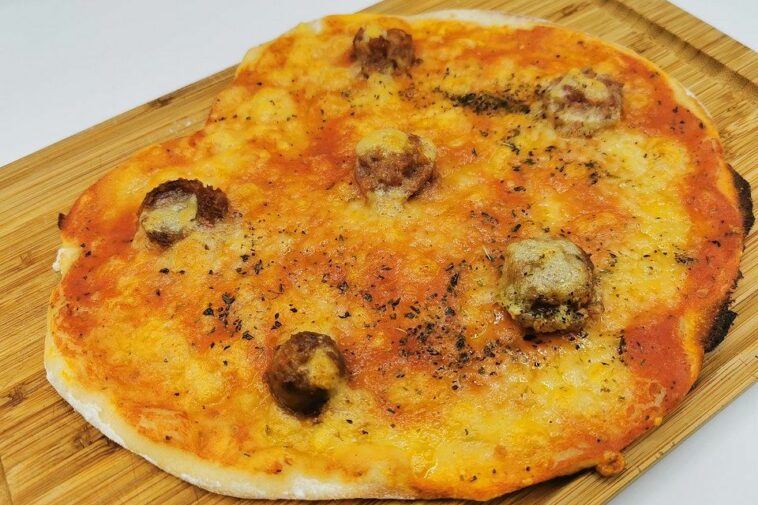
Ingredients for 8 servings:
- 800 g flour
- 400 g semolina (durum wheat), ground
- 1 cube of yeast, fresh
- 1 tbsp sugar
- 100 ml extra virgin olive oil
- 750 ml water, lukewarm
- 4 tsp salt
Instructions
Working time approx. 50 minutes; Rest period approx. 1 day; Total time approx. 1 day 50 minutes
proven and praised many times…
So, first of all, a tip: You should allow plenty of time for the perfect pizza dough. I’ve had the best results with dough that’s “risen” in the refrigerator for at least 24 hours. The dough is then much more flavorful and crispier in the oven. Ground durum wheat semolina (Semola Rimacinata di Grano Duro) is unfortunately hard to find in Germany. However, it makes the pizza dough incredibly elastic, so its use is highly recommended. First, mix the fresh yeast with the sugar in a bowl. After a few minutes, it should become a liquid (the yeast has bonded with the sugar molecules and begins to “work”). In the meantime, you can put the flour into a large bowl and make a well, into which you then add the yeast. Now cover the liquid with flour and wait until small cracks have formed on the surface. The yeast should now be ready to accept the other ingredients. Dissolve the salt in the water and mix it with the olive oil to form a kind of “emulsion.” Pour the liquid into the bowl and knead the dough thoroughly using any tool of your choice (I prefer my hands). Since the liquid is generously sized, gradually add a little more flour to the dough until it just stops sticking to your fingers. However, it should not become too brittle, as it is much more difficult to add water to the dough later. Once the dough is mixed, place it in a plastic bag and tie a tight(!) knot. Place the whole thing, including the bowl, in the refrigerator and wait. I recommend 2-3 hours as a minimum rising time. However, the simple rule of thumb applies: the longer, the better. Once the dough has finished rising, you can remove it from the plastic bag and portion it out. It’s best to roll out 200-250g balls using as little flour as possible and then place them on a baking tray. Once you’ve finished rolling all the balls (about 8-10), cover the tray with plastic wrap or a plastic bag and place it in the refrigerator for at least an hour. You should basically preheat the oven to maximum fan-assisted temperature now, because the hotter the oven, the less time the pizza will take to cook, and the better it will taste! I particularly recommend using a fireclay pizza stone, which you place at the bottom of the electric oven or on a rack. Now the actual baking process begins: Take the dough balls out of the refrigerator one at a time, always making sure that the remaining balls remain well covered. The dough balls should now be easy to flatten with the palm of your hand. Now, using as little pressure as possible, roll them out with a rolling pin to a diameter of about 20cm and, if necessary, stretch them further (whirl them through the air or learn other methods from your local pizza chef). Now top with your favorite toppings. For the tomato sauce, I recommend rustic passata, as it’s particularly fresh and has a particularly high fruit content. A combination of Edam, Gouda, and mozzarella cheese has proven successful. Bake for 10 to 20 minutes (depending on the convection oven) and serve immediately.


Facebook Comments