 John Myers
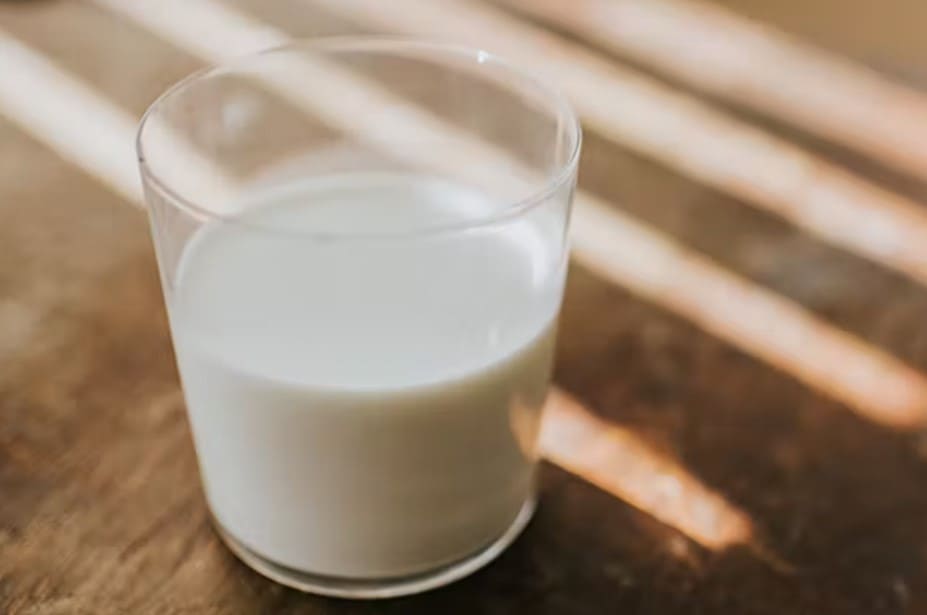
Milk comes from mammals such as cows, goats, or sheep. There are milk and milk products such as cheese, quark or yoghurt in many different fat content levels. Depending on the type of processing, it is also divided into raw milk, fresh milk, ESL milk and UHT milk.
Origin
Dairy farming began with the milking of goats and sheep around 10,000 years ago.
Season
Milk is available all year round.
Taste
Milk with a high-fat content tastes mild and full-bodied. The lower the fat content, the more watery and “thin” they taste. UHT milk has a slight cooking taste due to the heating.
Manufacturing
In dairy, milk is first adjusted to the various fat content levels:
Whole milk: 3.5% to 3.8% fat
low-fat milk: 1.5 to 1.8% fat
skimmed milk: maximum 0.5% fat.
Milk is usually homogenized before further processing. The fat droplets contained in the milk are very finely ground so that they do not cream during storage and rise to the surface of the milk. A subsequent heat treatment process kills unwanted microorganisms and thus significantly extends the shelf life of the milk.
Preservation
With the various heating processes, care is taken to keep the loss of nutrients as low as possible so that the valuable ingredients of the milk are still available when you enjoy it.
Raw milk: Raw milk is not heat treated, it is only filtered and cooled. When refrigerated, raw milk can only be kept for 2-3 days.
Fresh milk: Traditional fresh milk is conventionally pasteurized to kill the germs and spores that cause spoilage. To do this, the milk is heated to 72-75 °C for a maximum of 30 seconds. Fresh milk can be stored unopened and refrigerated for 10 days.
Milk that stays fresh longer: milk that stays fresh longer is also called ESL milk (extended shelf life = “longer shelf life”). In the production of this milk, a basic distinction is made between two technical processes that reduce the spoilage-promoting germs and spores and thus increase the shelf life of the milk. ESL milk has a very similar taste to fresh milk, but can be kept unopened (refrigerated) for 24 days.
Superheating/pasteurization: direct steam injection, holding time of 2 seconds, immediate recooling in order to protect the milk components as much as possible
Microfiltration: Combination of microfiltration and “conventional” pasteurization, prior skimming, microfiltration of the skimmed milk portion to mechanically remove germs, followed by short-time heating (pasteurization) from 72-75 °C for 30 seconds, heating of the cream portion (approx. 10%) to 105 °C
UHT milk: The so-called “long-life milk” is subjected to ultra-high temperatures during production, i.e. it is heated to 135-150 °C for a few seconds and then immediately cooled down again. The loss of vitamins is slightly higher here than after pasteurization.
The protein structure is changed during the cooking process, but in this form the proteins are easier to digest than in fresh milk. Due to the manufacturing process, however, it has a slight cooking taste. Unopened, UHT milk does not need to be refrigerated and can be kept for 3-4 months.
Use
Milk serves as food. It is usually drunk pure, used to mix muesli and used for cooking and baking.
Storage
Milk, except UHT milk, should be kept chilled in the refrigerator. UHT milk is heated to an extremely high temperature, so it can be stored unopened for a long time without refrigeration. After opening, however, it must also be stored in the refrigerator. You should also use up opened milk within a few days. Upcycling tip: You don’t always have to throw away the packaging afterwards, you can also recycle the milk cartons, for example to make lanterns or flower vases.
Nutritional value/active ingredients
1 glass of cow’s milk (200 g) provides an average of 130 kcal or 544 kJ, 6 g protein, 7 g fat and 9.4 g carbohydrates. Milk provides valuable protein and also contains important vital substances such as calcium and vitamin B12. Calcium is involved in maintaining normal bones and teeth, and vitamin B12 is responsible for maintaining normal energy-yielding metabolism. The important components of milk also include magnesium and vitamins A, B1, B2, B6, and folic acid.



Facebook Comments