 Mia Lane
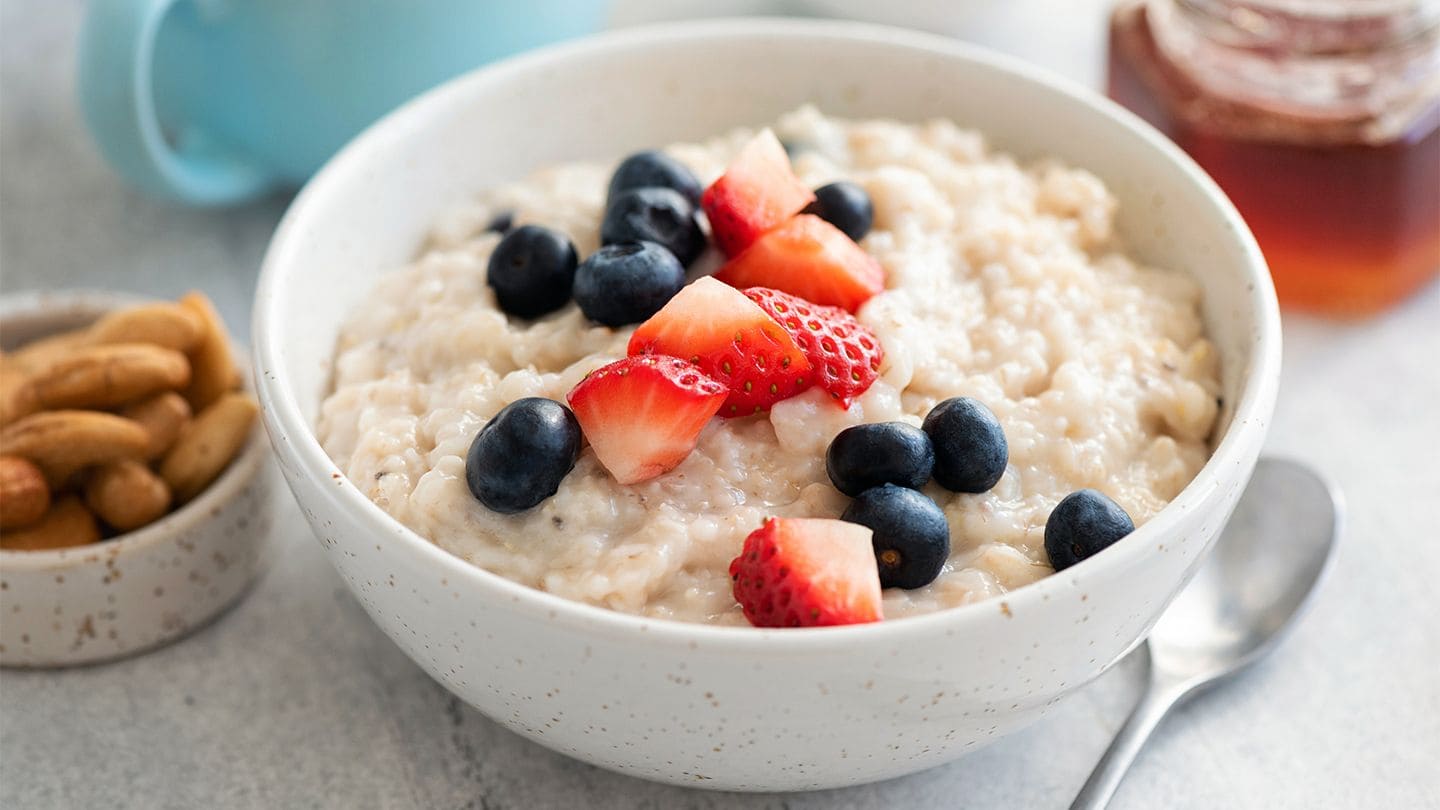
Oatmeal is considered a superfood and is trendy. No wonder: They are good for the heart and intestines, protect the immune system and are even said to help you lose weight. We reveal what makes oatmeal a real all-rounder.
Whether as an ingredient in muesli, a smoothie or in hearty patties: there are many reasons why oatmeal should be a regular part of the menu. After all, oats are one of the healthiest grains out there. It provides us with many important nutrients, including plenty of fiber, vitamins and minerals.
Oatmeal keeps you full for a long time and thus prevents cravings. This is ensured in particular by the dietary fiber beta-glucan.
It is also beta-glucans that lower cholesterol levels. So if you eat oatmeal regularly, you are also doing something good for your cardiovascular system.
Oatmeal encourages the growth of healthy bacteria in the gut. At the same time, they stimulate digestion and help with gastrointestinal problems.
Are oatmeal fattening foods?
If you look at the nutrient table for oatmeal, you might be shocked by the calorie content: there are a good 350 kilocalories per 100 grams. But oatmeal is anything but fattening. On the contrary, they can even help you lose weight.
Because a portion of oatmeal in the morning lasts until lunchtime. This is due to the complex carbohydrates and fiber found in the whole grain product. The body needs more time to digest the long-chain carbohydrates.
In addition, the blood sugar level rises only slowly. This way we feel full for longer and do not get cravings.
Oatmeal is good for diabetics
It is mainly thanks to the soluble fiber beta-glucan that blood sugar levels do not skyrocket. The mucilage swells well and forms a tough mass. The sugar can only be gradually extracted from this. This makes oatmeal an ideal breakfast for diabetics.
However, not all packs on the market are free of problematic substances. Our oatmeal test has shown that some oatmeal is contaminated with nickel and mold toxins, among other things. We even advise against three products altogether.
Oatmeal lowers cholesterol levels
Oatmeal can also reduce blood cholesterol levels. They therefore have a blood pressure-lowering effect and can reduce the risk of cardiovascular diseases such as heart attacks or strokes.
More specifically, beta-glucans lower harmful LDL cholesterol by binding to the bile in the gut, which contains large amounts of cholesterol.
In this way, the LDL cholesterol is excreted in the stool instead of re-entering the bloodstream. If you want to benefit from this effect, you should consume around three grams of beta-glucan every day – that’s around 80 grams of oatmeal per day.
Oatmeal protects the immune system
However, there is another substance in the oatmeal that contributes to a more balanced cholesterol level: the antioxidant avenanthramide, which comes from the group of polyphenols. It prevents the harmful LDL cholesterol from oxidizing and thus being deposited in the blood vessels.
Avenanthramide can also counteract inflammation and itching. In general, antioxidants like avenanthramide are said to support our immune system and protect us from free radicals.
By the way: Avenanthramide is more effective when combined with vitamin C. You can simply add fresh fruit to the oatmeal muesli – this also strengthens the immune system.
This is how oatmeal affects the stomach and intestines
Oat flakes are extremely good for the intestinal flora: They belong to the group of probiotic foods and thus promote the growth and activity of important bacteria in the intestine. In addition, oatmeal (porridge) is a proven home remedy for gastrointestinal problems. It helps with stomach pain, flatulence and diarrhea.
Because the dietary fibers it contains lay like a protective layer over the mucous membrane. This calms the stomach and intestines. Since porridge is easy to digest, it is also suitable as a light diet for people with irritable bowel syndrome.
At the same time, the roughage stimulates digestion: it swells in the intestines and thus increases the volume of the stool. Thus, oatmeal can also help with constipation. However, you should drink a lot so that the fiber has enough liquid to swell. This requires around 1.5 to 2 liters per day.
Oatmeal ensures beautiful skin and nails
A bowl of oatmeal a day provides us with a number of nutrients. The flakes contain a particularly large number of B vitamins such as biotin (vitamin B7) as well as zinc, silicon and copper. These substances are important for healthy skin, hair and nails.
In addition, oats have a high content of vitamins B1 and B6 – both strengthen our nervous system and metabolism. Grains also contain essential minerals such as iron, magnesium and calcium. It supports blood formation and is good for the bones. Vegans or athletes who want to build up their muscles are also well advised to have an oatmeal breakfast. Because the flakes are rich in proteins.
Are Soaked Oatmeal Healthier?
Basically, it is not necessary to soak oatmeal. But it can still be worth it. Because oats contain phytic acid: it binds minerals and trace elements such as iron, calcium, magnesium and zinc. This makes it harder for the body to absorb these nutrients.
However, if the oat flakes are soaked for at least 30 minutes before consumption, the phytic acid content is reduced. This also increases digestibility. So-called “overnight oats” – oat flakes that are soaked overnight – are currently very popular, for example.
By the way, it doesn’t matter whether you soak the oatmeal in “normal” or vegan milk or yoghurt. The flakes also swell well in animal-free products and in water. However, boiling cannot replace soaking: vitamins are lost as a result.
Are oats gluten free?
Oats are not gluten free. However, it is considered to be low in gluten. Because unlike wheat, for example, it contains significantly less gluten. However, oats are usually contaminated with cereals containing gluten.
One of the reasons for this is that the different types of grain are transported and processed in the same machines. People who suffer from celiac disease (gluten intolerance) should therefore only buy oat flakes that are specially labeled as gluten-free – these are produced according to strict guidelines.
Those who would rather avoid oats altogether will find tasty and healthy alternatives such as quinoia, amaranth, lupine and millet flakes.



Facebook Comments