 Micah Stanley
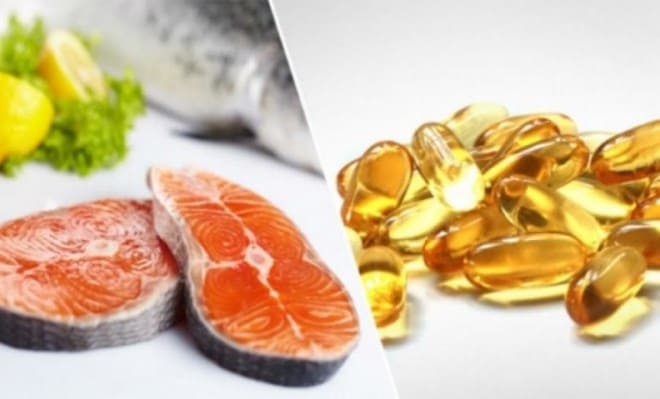
Asthma affects many children. However, mothers can take steps to protect their children from asthma. These measures include omega-3 fatty acids. Because if a dietary supplement with omega-3 fatty acids is already taken during pregnancy, the risk of asthma in children is reduced by a third – according to a new study from December 2016.
Children’s Asthma: prevent omega-3 fatty acids
Currently, one in five children suffers from asthma or a related condition before they start school, i.e. before the age of 6.
Asthma and respiratory problems have more than doubled in western countries in recent decades,”
so Professor Hans Bisgaard at the Copenhagen University Hospital and co-workers of the so-called Copenhagen Prospective Studies on Asthma in Childhood (COPSAC, Danish Study on Childhood Asthma).
“However, we have now found a solution as to how we can reduce these high numbers again.” Supplementing with omega-3 fatty acids could be part of that solution.
Thanks to omega-3 fatty acids: the risk of asthma drops by 31 percent
In a study, the researchers around Bisgaard analyzed the blood samples of almost 700 Danish pregnant women – in the 24th week of pregnancy and one week after the birth. They then monitored the babies’ health for five years. At this age at the latest, the clear symptoms of childhood asthma appear with the appropriate predisposition.
The participants took 2.4 grams of omega-3 fatty acids daily during the third trimester of their pregnancy – and with this measure, they were able to reduce their children’s risk of asthma by an average of 31 percent. However, it had to be long-chain omega-3 fatty acids, i.e. EPA (eicosapentaenoic acid) and DHA (docosahexaenoic acid). Both fatty acids are considered anti-inflammatory and regulators of the human immune system. A deficiency in these fatty acids can therefore contribute to the development of asthma, an inflammatory disease that often involves the immune system.
Omega-3 deficiency increases asthma rates
We have long suspected that there may be a link between the anti-inflammatory properties of long-chain omega-3 fatty acids, the typically very low intakes of these fatty acids in typical Western diets, and the rising numbers of children suffering from asthma.” said Professor Bisgaard, ‘Our study proves that there are clear connections here.’
Blood levels of omega-3 fatty acids allow an accurate assessment of an individual’s status,” explained Professor Ken Stark, Canada Research Chair in Nutritional Lipidomics and a professor at the University of Waterloo who led the testing. “Our laboratories have that appropriate equipment to determine the fatty acid values not only quickly, but also extremely accurately and inexpensively.”
Dietary supplements are particularly important in the case of an omega-3 deficiency
The readings revealed, among other things, that those women in particular who had very low EPA and DHA levels before the supplementation benefited from an omega-3 dietary supplement. In these women, omega-3 supplementation reduced their children’s risk of asthma by 54 percent.
The proportion of women with low blood levels of EPA and DHA is significantly higher in Canada and the USA than in Denmark. We would therefore expect an even greater reduction in asthma risk in the North American population,” said Professor Stark.
If women who are endowed with low values could be identified in time and given the appropriate nutritional supplements, then that would be excellent protection against childhood asthma.”
Preventing children’s asthma – further preventive measures
Of course, not only an omega-3 deficiency is responsible for childhood asthma. Many other factors can also increase your child’s risk of asthma. For example, we know that smoking parents are more likely to have an asthmatic child than non-smoking parents. Yes, it is enough if the father smokes to increase the child’s risk of asthma: a father who smokes increases the child’s risk of asthma.
Not smoking is therefore one of the most important preventive measures to prevent asthma in children. The nutrition of the mother is also decisive for the health of the children’s bronchi. If this is low in fiber, this increases the risk of asthma. Conversely, a high-fiber diet during pregnancy protects the child from asthma.



Facebook Comments