 John Myers
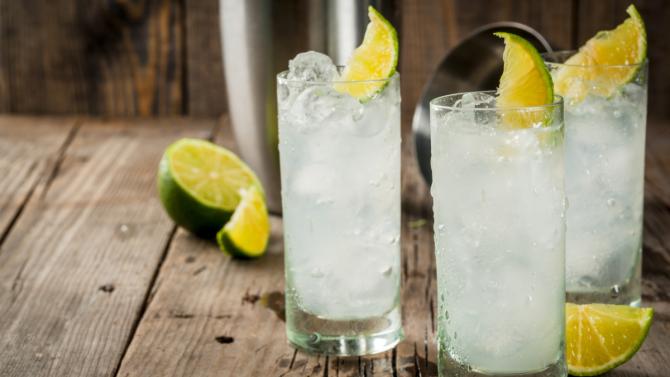
What is quinine? Can too much of it be unhealthy?
Quinine is a bitter substance that may be added to spirits and soft drinks. Some groups of people, such as pregnant women or people with muscle weakness, should avoid drinks containing quinine.
Quinine occurs naturally in the bark of the South American cinchona tree and belongs to the group of so-called “alkaloids”. In isolation, it is a white, crystalline powder with a very bitter taste.
As a flavoring it may be added to non-alcoholic and alcoholic beverages up to a quantity of 100 milligrams per liter. Amounts of up to 250 milligrams per liter are permitted for spirits. Usually, however, these maximum values are not exhausted. The non-alcoholic soft drink with the highest quinine content, “tonic water”, contains an average of around 60 milligrams of quinine per liter. For “bitter lemon” the average values are 30 milligrams of quinine per liter.
In higher doses, quinine is used to treat malaria. Various side effects are known from this application, such as nausea, headaches, tinnitus, visual disturbances or cardiac arrhythmia. According to the European Food Safety Authority (EFSA), such adverse effects have also occurred in sensitive people through the consumption of such beverages. The Authority therefore concludes that the ingestion of large quantities, for example more than one liter, of soft drinks containing the maximum permissible amount of quinine can have health effects.
The Federal Institute for Risk Assessment (BfR) names various risk groups and advises them against consuming beverages containing quinine. This includes pregnant women, since damage to the fetus cannot be ruled out, as well as people with tinnitus, hemolytic anemia (low blood count) or damage to the optic nerve. If you have cardiac arrhythmia or are taking medication, such as anticoagulants, you should discuss the consumption of drinks containing quinine with your doctor, as interactions with quinine can occur.
The addition of quinine must be labeled “Aroma quinine” in the list of ingredients. If no list of ingredients is necessary, for example when serving food in restaurants or at self-service beverage stations, the addition of quinine (usual formulation: “contains quinine”) should still be pointed out.


Facebook Comments