 John Myers
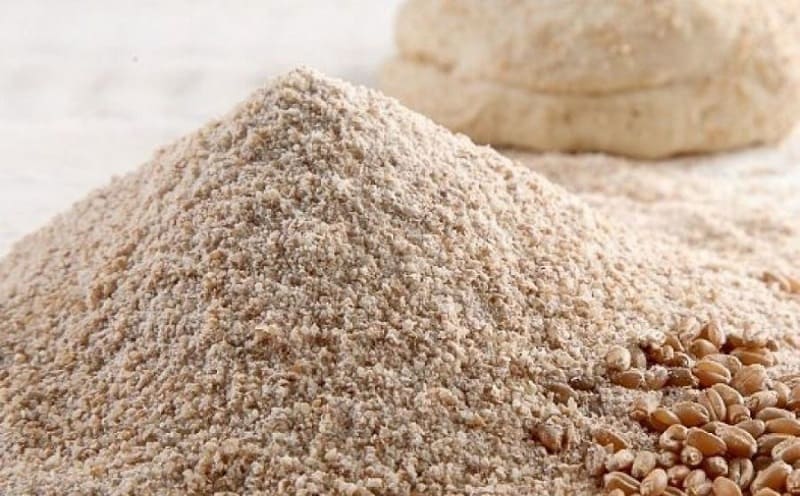
Rye flour is generally considered very healthy. Considering the many different types of grain that exist, it is interesting to know what properties rye has and what disadvantages the grain has.
Contents
show
Rye flour: It’s that healthy
Rye has a variety of beneficial ingredients that can have a positive impact on your health.
- Rye has a variety of positive ingredients. For example, the grains of the cereal contain about 60% carbohydrates, 9% proteins, 13% fiber and 2% fats and minerals.
- The fiber in rye is known for being easily broken down. In this way, cholesterol and glucose levels can be actively reduced: This is particularly important for your general physical health.
- A percentage of 85% vitamins and 80% minerals is attributed to rye. These include vitamins B1 and E in particular.
- Vitamin B is needed by our body to allow the natural metabolic processes to take place. Your nerves can also be positively influenced.
- Vitamin E has a protective function on your cells. Free radicals and harmful influences on the body cells are intercepted by the vitamin.
- It also contains the minerals potassium, magnesium, iron, zinc and folic acid. Each of these minerals fulfills an important function in our body.
- While iron concentrates mainly on the formation of blood cells, potassium mainly regulates the water balance and has a blood pressure-lowering effect. Your blood balance can also be positively influenced.
- Magnesium has a positive effect on your ability to concentrate and is important for nerves and muscles. If your body has the required amount of magnesium, the risk of fatigue is reduced and normal muscle functions are supported.
Comparison of rye flour and wheat flour
Most of the foods you eat every day probably contain wheat flour. If you include products made from rye in your diet instead, you can expect some benefits.
- Rye has a very low glycemic index : this means that it hardly raises blood sugar levels. The index for a wheat bread is around 70, while that of rye is around 58.
- This property of rye causes a long saturation. A saturation effect of about 4 to 8 hours can be expected. Wheat products are more known for only keeping you full for a short time.
- While the calorie content and carbohydrates are similar for both grains, you can see a clear difference when it comes to fiber: rye has about 15.2 grams of fiber per 100 grams, while wheat only has 8.8 grams.
- The potassium content in particular stands out in rye compared to wheat: wheat contains only around 381 milligrams, while rye contains around 510 milligrams.
- If you suffer from celiac disease, i.e. gluten intolerance, both types of grain are not suitable for you. If you generally avoid gluten or have a slight intolerance, rye may be more suitable for you: while wheat flour contains around 8.7 grams of gluten, rye only has around 3.2 grams.
Advantages and disadvantages of rye and the application
We have summarized for you what other advantages and what disadvantages there can be from eating rye and how you can use rye.
- The many dietary fibers it contains ensure that rye can also be recommended particularly well for diabetics: blood sugar is said to be lowered by the dietary fiber.
- Rye can also help you lose weight: Rye triggers a high feeling of satiety and causes the stomach to empty slowly.
- A healthier intestinal flora can be achieved by consuming rye. The dietary fibers it contains serve as a source of energy for the intestines and can stimulate the processes taking place in the intestines accordingly.
- The German Society for Nutrition recommends a daily intake of around 30 grams of fiber per day. You can cover these more easily by regularly consuming rye flour products.
- Rye could have a disadvantage due to the phytic acid it contains: the effect of the acid is said to impede the absorption of minerals. However, this should only be the case if you eat almost exclusively rye: With normal consumption, this and other health disadvantages are not to be expected.
- Rye flour can be used in many ways: For example, you can use it to bake delicious and healthy bread or rolls or cakes.
- Hair care can also be made with rye flour . This is very easy to do and can help you if your hair needs a lot of nutrients and is stressed.
- In addition to using the rye as flour, you can also grow the grains of the cereal as sprouts and enjoy them on a muesli or salad. The taste is described as slightly spicy.



Facebook Comments