 John Myers
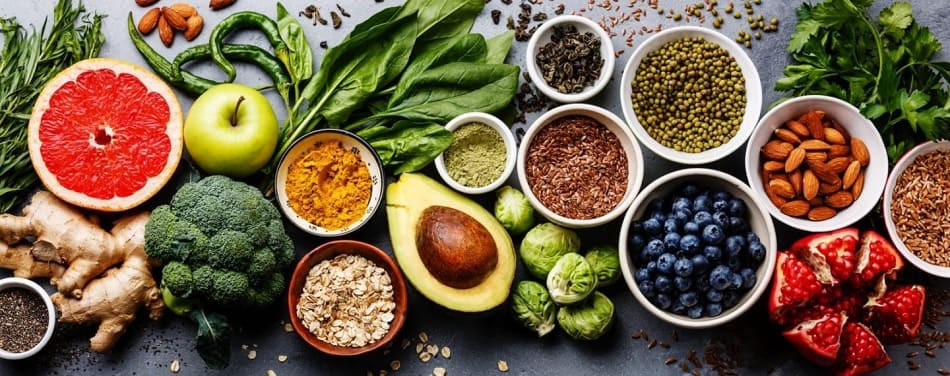
A balanced diet is important for vegans. Our pyramid, tailored to your specific needs, makes it clear at a glance what amounts you should eat in order to get a diet with all the important nutrients.
Eat with the vegan food pyramid
In addition to the general food pyramid, people who eat vegan will find a variant with products without animal origin here. The graphic illustrates which food groups you should include in your diet and in what ratio. Below you will find practical tips for implementing nutritional recommendations in everyday life.
The broad basis: drinks
Drinking a lot is also the motto of the vegan food pyramid. The recommendation to give preference to water, fruit juices, tea, and spritzer also applies without restriction to vegans. As soon as milk (products) are avoided, the calcium supply can become critical. Calcium-containing mineral water (with more than 150 milligrams of calcium per liter) and calcium-enriched soy, rice, oat or nut drinks, and enriched juices are therefore very suitable as alternative sources of calcium for vegans.
Main foods for vegans: fruit, salad, and vegetables
For vegans, vegetables and fruit are one of the main sources of nutrients in the vegan food pyramid. In order to ensure an optimal supply, legumes such as peas, beans, and lupins are part of the basis of a vegan diet. Legumes are high in fiber and also provide the body with plenty of vegetable protein and starch. Lupins are among the modern legumes that are generally better tolerated than other legumes, even in large quantities.
Vegetables and fruit in particular provide the water-soluble vitamins B and C. Vitamin B12 is important for everyone and can be undersupplied as part of a vegan diet. Therefore, when consuming vegetables, more lactic acid-fermented varieties such as e.g. B. raw sauerkraut can be used. Milk-fermented vegetables can also be made from pointed cabbage, red cabbage, carrots, gherkins, beetroot, and beetroot.
Green vegetables like broccoli, spinach, and kale also provide calcium. Onions and mushrooms are very popular with vegans because, in addition to being easy to process, they also provide sufficient vitamin D. However, when choosing mushrooms, you should pay attention to the breeding method. Mushrooms are often grown on cultures mixed with animal excrement.
To fill up: Noodles, rice, and bread
When it comes to pasta, vegans should look out for egg-free products. Study the list of ingredients carefully, as egg-free pasta can still contain traces of egg. A closer look is also important for bread and cereal products. The basic recipe for bread and rolls or some types of pasta is vegan. Products such as butter or baking additives that are of animal origin are often used for further processing. The best thing to do is simply bake your bread yourself and, if necessary, replace the animal products with vegan foods. In our quinoa bread recipe, for example, the buttermilk can also be swapped out for a vegan milk substitute.
Mix correctly: plant-based protein suppliers
Tofu, soy milk, legumes and nuts are important vegetable protein suppliers. These should be incorporated into the daily diet in order to supply the body with high-quality protein. Legumes include: beans, soybeans, lentils of all colors, snow peas and chickpeas. Products made from wheat protein (seitan), tofu products or tempeh are often viewed as meat substitutes. (Tip: making seitan yourself is very easy. Discover our instructions.) With plant-based protein, the biological value must be taken into account. You can achieve a high value by combining several protein suppliers, for example legumes with corn or cereals with nuts.
If you want to add variety to your diet, you can access the cereal-like varieties amaranth and quinoa. These exotic “grains” offer an amino acid spectrum that more closely resembles human amino acids. If you want to be on the safe side, you can mix grain and grain-like varieties.
You should pay attention to this:
- Choose a protein-rich meat substitute made from legumes or seitan with every main meal – try one of our seitan recipes, for example for chops or schnitzel. How about vegan falafel balls with soy mayonnaise dip and salad?
- In the case of vegetable proteins, attention should be paid to the biological value. Chili sin Carne z. B., consisting of different types of beans with corn, contributes to the optimal supply of vegetable protein.
- Almond butter is ideal as a cheese substitute for gratinating. Almond butter on a vegetable or potato casserole gives a creamy and at the same time crispy taste. Our recipe reveals how to make vegan cheese yourself.
- Simply refine the breakfast muesli made from oatmeal, amaranth, and quinoa flakes with nuts, almonds, or seeds.
Moderate and selected: oils and fats
Eat fat-conscious and vegetable oils. There are many vegetable oils. They provide you with so-called monounsaturated and polyunsaturated fatty acids, which are important for the body. As carriers of the fat-soluble vitamin E, they protect the cells. Just try all the oils from A to Z (apricot kernel oil, borage oil, peanut oil, hemp oil, pumpkin seed oil, linseed oil, poppy seed oil, olive oil, pecan oil, sesame oil, grape seed oil, walnut oil and lemon seed oil). Give preference to high-quality, cold-pressed oils for salads and cold vegetables. Nuts also provide a lot of good fats.
Variety is important. Please use a different oil for each meal. Margarine made from non-hydrogenated fats or coconut oil can be used very well as a butter substitute for frying and baking and as a spread.
Enjoy consciously: chocolate, snacks, and desserts
At the top of the vegan food, pyramid are the high-calorie delicacies, which you should only consciously enjoy in small amounts. Avoid gelatine additives in gummy bears, as these often contain animal components. In our collection of vegan recipes, you will find suggestions for delicious desserts and cakes without animal ingredients such as our delicious vegan pumpkin pie.
What else should you think about as a vegan?
With a vegan diet, you should also consider the following to ensure a supply of all essential nutrients:
- Iron: Vegans do not have the main source of iron – meat. Iron is important for oxygen transport in the blood, the immune system, and energy metabolism. Therefore, be aware of iron-rich plant-based foods such as oatmeal, whole grain products, oilseeds, nuts, legumes, and green vegetables such as spinach and chard. Combine these iron suppliers with vitamin C-rich foods to promote the availability of plant-based iron. Peppers, broccoli, oranges, and strawberries offer a good choice here.
- Omega-3 fatty acids and iodine: Those who avoid fish and seafood may also be consuming too few omega-3 fatty acids and iodine. High-quality vegetable oils that are rich in alpha-linolenic acid make an important contribution to the supply of omega-3 fatty acids. Good sources include flaxseed, walnut, sesame, and canola oils. Walnuts, chia seeds, herbs, and flax seeds also provide omega-3. To ensure the iodine supply, the use of iodised table salt is recommended. Algae also contain a lot of iodine, although the iodine content varies greatly depending on the variety. For example, eating algae can easily lead to excessive iodine intake.
- B vitamins: Since vitamin B12 can be stored very well, the reserves theoretically last up to 3 years. However, if you eat vegan in the long term, you should keep an eye on your vitamin B12 level in your blood. Vitamin B12 can be obtained, for example, from fortified foods such as e.g. B. multivitamin juices or as a dietary supplement. The most important vitamin B2 suppliers such as meat, milk, cheese, and eggs do not fit into a vegan diet. Vegans should therefore make a conscious choice of food! Possible alternative vitamin B2 sources for vegans are products made from whole grain cereals, mushrooms, and spinach.
- Vitamin D: Vitamin D is an exceptional nutrient that is only partially obtained from food. It plays a central role in calcium metabolism and is important for the immune system. Our body forms vitamin D with the help of sunlight. 15 to 20 minutes of daily sunlight on the hands and face is sufficient in the summer months. In the winter months, the sun’s rays seem to be too weak for sufficient vitamin D formation. An extra portion of vitamin D, for example from mushrooms, is just what you need. Products fortified with vitamin D (e.g. plant drinks) are also a way to meet the need.
- Zinc: The trace element zinc plays an important role in the metabolic processes in our body. Zinc is required for many enzymes in protein, carbohydrate, and fat metabolism. Possible alternative sources of zinc for vegans are products made from whole grain cereals, lentils, pumpkin seeds, oatmeal, spinach. Whole grain cereals should always be heated (e.g. like whole grain flour processed in bread) or eaten swollen so that the zinc absorption is not disturbed by the phytic acid it contains.
A notice
A purely vegan diet requires very good nutritional knowledge in order to be able to ensure a supply of all important vital substances. In the case of infants, small children, and pregnant women, medical advice must be sought and any dietary supplements or fortified products must be consulted.


Facebook Comments