 John Myers
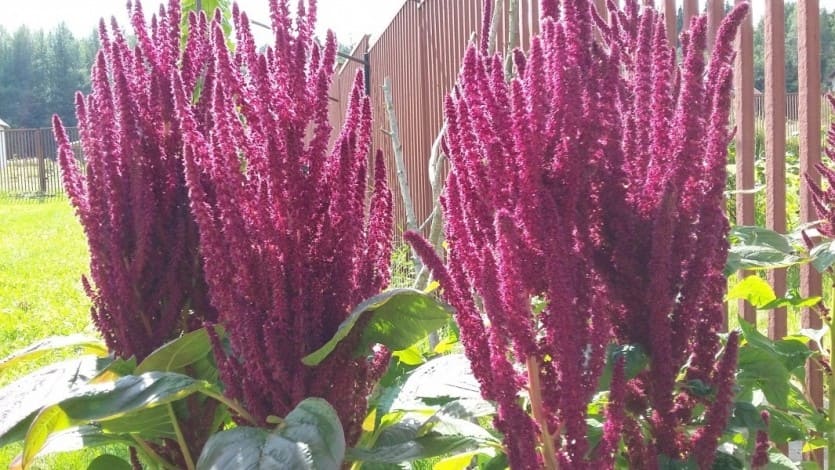
Amaranth is a so-called pseudocereal. From a biological point of view, it is not a grain, but belongs to the foxtail family. But there is a certain similarity to grain: amaranth forms grains that contain starch. Accordingly, it can be prepared and used similarly to cereal grains. It is suitable, for example, as an alternative to rice.
The strong aroma and the slightly nutty taste go well with many hearty dishes, such as cooked vegetables or meat. Amaranth is also suitable as a component in casseroles or as a hearty ingredient in soups or as part of hearty salads. It can be crushed or ground, puffed and used for muesli mixes or snack bars. In addition to the seeds, various other parts of the plant can also be consumed: the leaves, for example, have a taste similar to chard or spinach and can be prepared as a vegetable. The young inflorescences can also be used in this way, they taste slightly nutty like the seeds.
The pseudo grain is considered to be extremely healthy. Above all, its protein content of 16 grams per 100 grams is higher than that of many types of grain and makes amaranth a good source of protein. Its iron (9 mg) and calcium (215 milligrams) content is also higher than that of comparable foods. Amaranth is a gluten-free food, which is why it can be an interesting alternative to some grain products for people with celiac disease. However, the lack of gluten also means that amaranth can only be used for baking with reservations: it always has to be mixed with wheat, rye or spelt flour to make a suitable dough. Because the flour is not suitable for celiac patients, the selection of baking recipes with amaranth remains manageable.
Although the correct spelling according to the dictionary is “Amarant”, the international version “Amaranth” has also become established in Germany. This can be attributed, among other things, to the corresponding spelling on most products. If you hold a product in your hands that doesn’t have “Amaranth” printed on it, but the German spelling, this could be an indication that the pseudo-cereal comes from domestic cultivation. However, amaranth is usually imported from Central and South America.



Facebook Comments