 John Myers
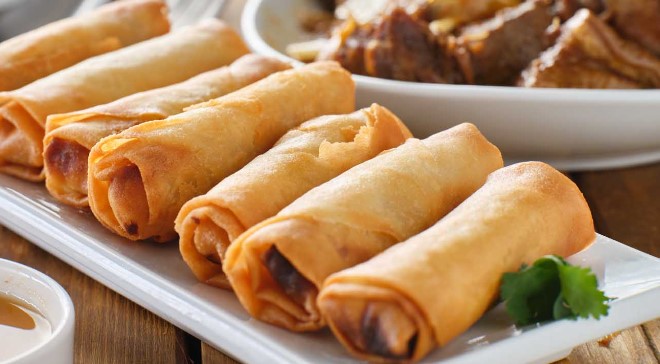
Introduction: Filipino Cuisine Overview
Filipino cuisine is a unique blend of flavors and influences from various cultures including Malay, Chinese, Spanish, and American. The cuisine is known for its bold flavors, use of diverse ingredients, and its ability to fuse together sweet, salty, sour, and spicy tastes. The cuisine has a rich history and is deeply rooted in Philippine culture and traditions.
Filipino cuisine is diverse and varies depending on the region and local ingredients. The cuisine is characterized by the use of rice, seafood, meat, vegetables, and tropical fruits. It also features a variety of spices and condiments which add depth and complexity to the dishes.
Flavors and Ingredients of Filipino Cuisine
Filipino cuisine is known for its bold flavors and diverse ingredients. Some of the most commonly used ingredients include rice, seafood, meat, vegetables, and tropical fruits. The cuisine also features a variety of spices and condiments such as garlic, onion, ginger, and chili peppers which add depth and complexity to the dishes.
Filipino dishes are typically a combination of sweet, salty, sour, and spicy flavors. The use of vinegar, soy sauce, and citrus fruits like calamansi or lime give dishes their distinct sour taste. Meanwhile, sugar, coconut milk, and palm sugar are used to balance out the sour and salty flavors.
Popular Filipino Dishes and Their Origins
Some of the most popular Filipino dishes include adobo, sinigang, lechon, and sisig. Adobo is a dish made with meat (chicken or pork) marinated in vinegar, soy sauce, garlic, and other spices. Sinigang is a sour soup made with tamarind or other sour fruits, vegetables, and meat or seafood. Lechon is a roasted pig, typically served during special occasions. Sisig is a dish made with chopped pig’s head and liver, seasoned with chili peppers, onions, and calamansi juice.
These dishes have their origins in different regions and have evolved over time. Adobo, for example, was likely influenced by the Spanish who introduced vinegar to the Philippines. Sinigang, on the other hand, has its roots in Malay cuisine.
Influences on Filipino Cuisine
Filipino cuisine has been influenced by various cultures throughout history. The cuisine has its roots in Malay cuisine, but it has also been influenced by Chinese, Spanish, and American cuisine. The Chinese brought noodles, stir-fry dishes, and dim sum to the Philippines. Meanwhile, the Spanish introduced vinegar, tomatoes, and other food staples. The Americans introduced canned goods, fast food, and other convenience food items.
These influences have helped shape Filipino cuisine into what it is today. The cuisine is a reflection of the country’s history and cultural diversity.
Regional Variations in Filipino Cuisine
Filipino cuisine varies depending on the region and local ingredients. For example, in the Visayas region, seafood is a prominent part of the cuisine. In the Bicol region, dishes are known for their spiciness, as chili peppers are a common ingredient. In the Ilocos region, dishes are influenced by Chinese and Taiwanese cuisine and are often made with soy sauce and rice vinegar.
These regional variations add depth and diversity to Filipino cuisine. It showcases the unique flavors and ingredients available in different parts of the country.
Filipino Street Food and Desserts
Filipino street food is a popular and affordable way to experience Filipino cuisine. Some of the most popular street foods include balut (fertilized duck egg), isaw (grilled chicken or pork intestines), and fish balls. These street foods are typically sold by vendors on the street or in markets.
Filipino desserts are known for their sweetness and use of tropical fruits. Some popular desserts include halo-halo (a shaved ice dessert with various sweet ingredients), leche flan (a custard dessert made with milk and eggs), and bibingka (a rice cake made with coconut milk). These desserts are often served during special occasions and celebrations.
Overall, Filipino cuisine is a unique and diverse blend of flavors and influences. It is a reflection of the country’s history, culture, and traditions. The cuisine is known for its bold flavors, diverse ingredients, and ability to fuse together sweet, salty, sour, and spicy tastes. Whether you’re trying street food or indulging in a traditional dish, Filipino cuisine is sure to leave a lasting impression.


Facebook Comments