 John Myers
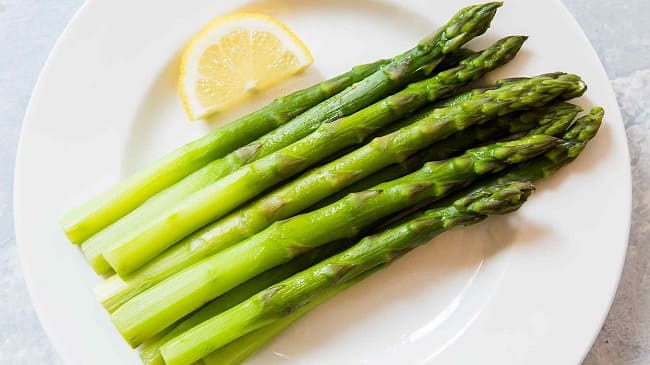
The green version of the stick has a more intense flavor and is quicker to process. Read here which dishes can be prepared with it and what else you need to know about green asparagus.
White asparagus, also known as white asparagus, grows underground. As soon as the heads break through the earth’s surface, the poles are pricked. The green asparagus, on the other hand, grows above the ground and is exposed to direct sunlight.
Interesting facts about green asparagus
In contrast to white asparagus, green asparagus is largely grown above ground. The chlorophyll that gives the color is formed as a result of exposure to light – the decisive criterion in the cultivation of green, violet and white asparagus. The variety tastes stronger than the lighter representatives of the stick vegetable and has a nutty to spicy note. The harvest time for fresh German asparagus usually begins in April and traditionally ends on June 24th, St. John’s Day. Green asparagus is now available as an imported product all year round.
How to prepare green asparagus
Green asparagus takes less time to process than white asparagus. So it is sufficient to peel only the lower third of the sticks. With delicate specimens, it is often sufficient to cut off a small piece at the end. The cooking time is only about 5 minutes, a subsequent short bath in ice water (blanching) gets the strong green color. Alternatively, green asparagus can be fried briefly in a pan, steamed, steamed in a steam cooker or pot or grilled in the oven (e.g. baked according to our recipe for asparagus). Dishes such as salmon with green asparagus, where the fish is also baked, are so easy to prepare. The noble vegetable is also well suited as an accompaniment to meat and as a starter in the form of a creamy soup or a salad with strawberries. Green asparagus recipes for main courses include quiches, tarts and vegetable pizza.
Shopping and cooking tips for green asparagus
Green asparagus from a regional source tastes best, with goods from Greece, Spain, Italy, Mexico and Peru being offered more frequently. Fresh stalks can be recognized by their closed heads, firm texture and juicy cuts. Wrapped in a damp cloth, green asparagus can be stored in the vegetable compartment of the refrigerator for up to four days. For a longer shelf life, the stick vegetables can also be frozen well. To do this, wash and dry it and place it in freezer bags or cans in the freezer. To defrost, simply place the asparagus in hot water. Green asparagus is also available preserved in jars.
Is green asparagus the same as white asparagus?
One fact first: Green and white asparagus are basically the same variety, the color depends solely on the type of cultivation. In the meantime, however, special varieties have established themselves as white or green asparagus.
Where does the green asparagus come from?
Green asparagus (Asparagus officinalis) belongs to the lily family (Liliaceae) and originally comes from the Mediterranean region and the Near East. Even the ancient Egyptians and Greeks used and cultivated asparagus as a medicinal plant and delicacy.
Are green or white asparagus healthier?
Overall, however, green asparagus is way ahead in terms of health: it contains more vitamin C and folic acid, and it also contains more B vitamins than its white competitor.
Why is green asparagus better than white?
As it grows in sunlight, green asparagus not only produces chlorophyll and, depending on the variety, dark purple anthocyanins. The green sticks also contain more vitamin C and beta-carotene.
Why does the pee smell like asparagus?
Asparagusic acid is a sulphur-containing carboxylic acid and is responsible for the typical asparagus urine. In many people, it is decomposed in such a way that sulphur-containing degradation products are formed. So what you actually smell in the toilet is basically the volatile sulfur.
For which diseases is asparagus not recommended?
Asparagus is not healthy for everyone: If you have impaired kidney function or a permanently high level of uric acid in your blood, you should not eat too much of the vitamin- and mineral-rich vegetable…
How often can you eat green asparagus?
Asparagus: You must NEVER eat the vegetable more than three times a week – the sad reason. Spring time is asparagus time! The low-calorie vegetables are particularly popular now. Spring time is asparagus time!
Is Asparagus Good for the Liver?
It turned out that there is 70% less toxic pollution in the body if you regularly eat asparagus and the leaves. This product turns out to be a super medicine for the liver, with cleansing and protective properties.
Is Green Asparagus Bloating?
It is best to proceed cautiously and leave out fruits and vegetables that cause gas. These include Brussels sprouts, white cabbage, red cabbage, some raw vegetable salads, legumes, salsify, asparagus, leeks and onions, figs, bananas, dried fruit such as prunes or dried apricots.
Why is green asparagus more expensive?
However, the main reason for the relatively high price, which is still relatively high today, is the complex, care-intensive and labour-intensive and therefore relatively expensive cultivation. Asparagus is still mainly harvested by hand and with back pain.
Should you peel green asparagus?
Green asparagus has the big advantage: you don’t necessarily have to remove the skin. However, if the lower end of the asparagus is whitish-purple, you should also peel green asparagus – at least on these lighter parts in the lower third. The reason: the end of the asparagus has not seen the sunlight and is hard and woody.
Is green asparagus cheaper?
Green or white asparagus – which variant is cheaper? Incidentally, the asparagus varieties hardly differ in price. In the supermarket, the noble vegetables are already available from five to eight euros. Read here how good asparagus from the supermarket is!
What do you call green asparagus?
Vegetable asparagus or common asparagus (Asparagus officinalis) is one of around 220 species from the genus asparagus (Asparagus). Colloquially it is usually called asparagus for short (medieval Latin sparagus and Latin asparagus from Greek aspáragos).
Is green asparagus really asparagus?
White asparagus, also known as white asparagus, grows underground. As soon as the heads break through the earth’s surface, the poles are pricked. The green asparagus, on the other hand, grows above the ground and is exposed to direct sunlight.



Facebook Comments