 John Myers
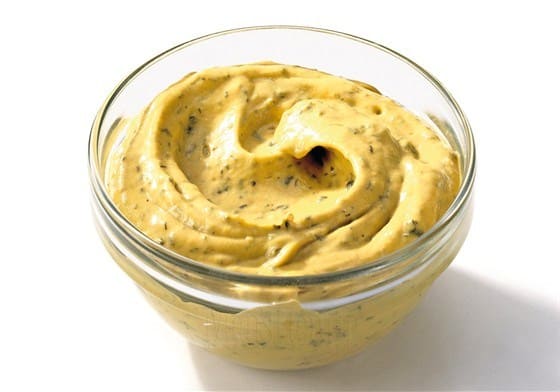
Mustard is healthy because it contains a range of nutrients such as vitamin B3 and magnesium as well as selenium. In addition, its sharpness promotes blood circulation. In the following, we explain how mustard can be used in the kitchen or for external use.
Mustard: spice with heat and tradition
Tasty sausages without mustard? Unimaginable for many. However, the hot paste has been valued as a savory condiment for thousands of years. Its origins lie in Asia, especially India and China, where hot spices have always been part of the traditional food culture – not least because of their health-promoting effects.
Nowadays, the spice is mainly enjoyed as table mustard. In addition to ground mustard seeds, the delicious seasoning paste contains ingredients such as vinegar, water, and salt, and often also sugar. Interesting detail: The mustard oil only develops its sharpness when the seeds are ground up and in combination with liquid, which is why it is usually used as a powder or paste. The delicious seasoning is available in many varieties and degrees of spiciness. The decisive factor here is the mixing ratio of the mustard seeds: Black and brown mustard seeds are hotter than white ones. You can read great tips for using mustards in the kitchen with us.
Mustard for health: Here’s how!
Mustard has a whole range of nutrients that can have a positive effect on health. It is rich in vitamin B3 (niacin) and contains magnesium, calcium, and phosphorus. For example, calcium contributes to normal blood clotting, and magnesium is important for the normal functioning of muscles and nerves. Whether mustard is good for the heart cannot be answered with a general yes or no.
Mustard can also be beneficial for digestion, but beware: not every stomach likes it spicy. If in doubt, use a medium-hot seasoning paste.
Externally, mustard can be used in the form of poultices, baths, or patches. Its sharpness has a stimulating effect, for example, on arthrosis or muscle pain. It should be noted, however, that the mustard oil glycosides contained in it have skin and mucous membrane irritant effects, similar to the capsaicin from the chili pepper. External use should therefore always be carried out with caution and after medical advice.
More expert knowledge to read
You can also find the healthy properties of horseradish in our expert knowledge. We have also found out for you whether the saying “mustard makes you stupid” is true. Read straight away!


Facebook Comments