 John Myers
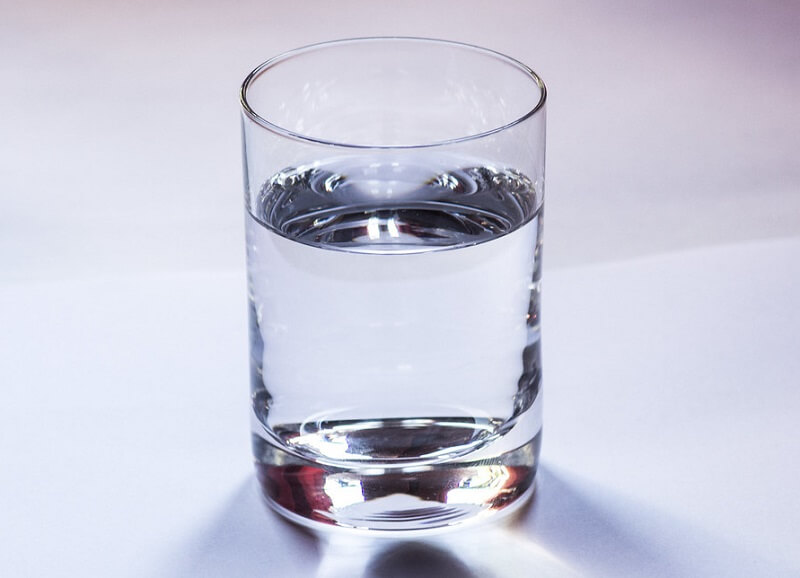
Many people like their water to be as soft as possible. Because it tastes better and is somehow supposed to be healthier. We investigated that. Spoiler: Just drink what you want.
The “hardness” of the water depends on the content of the calcium and magnesium compounds. It is formed when calcium and magnesium combine with the carbon dioxide dissolved in the water.
At 0 to 7 degrees of German hardness (dH) hardness range I (0 to 1.3 millimoles of calcium oxide per liter) we speak of “soft” water. At 14 to 21 degrees dH hardness range III (2.5 to 3.8 mmol CaO/l) we speak of “hard” water.
But what is better? Hard or soft water?
The harder the water, the more calcium and magnesium it contains. Our body can easily absorb the many minerals. However, we cannot cover our need for calcium and magnesium with hard water. However, it cannot harm your health either.
When it comes to taste, however, it all depends on your own preferences. Because minerals actually have a taste of their own. This is why coffee or tea made from hard water can taste different. Kettles and coffee machines also have to be descaled more frequently.
The degree of hardness of the water can also have an impact on personal hygiene. Washing with soft water does not require as much soap as with hard water. People with oilier hair have a harder time with hard water. On the other hand, people with dry skin can sometimes experience irritation.


Facebook Comments