 John Myers
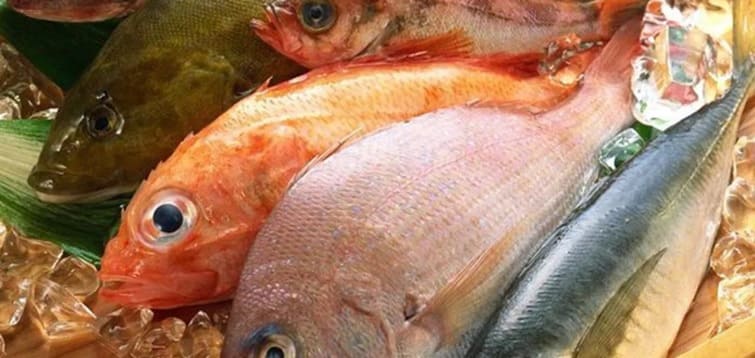
To rule out fish poisoning, you should only eat very fresh fish and seafood. If the fish smells very intensely or unpleasantly, this is a first clear indication that the goods have been stored too long or incorrectly. The skin of fresh fish is also soft and moist, and covered with a clear layer of mucus. The gills, eyes, and fins should not be dry or sticky.
The flesh of fresh fish is elastic and firm. You can test this by pressing your finger on the meat. If the dent disappears again after a few moments, this is a sign of freshness. To ensure that the fish arrives at your home fresh, the cold chain must not be interrupted. It is best to take a cool bag and cold packs with you when you go shopping.
Also, avoid canned fish that are bloated, damaged, or otherwise deformed. The product is then likely to be spoiled and you could get fish poisoning from eating it.
The risk of fish poisoning can also be reduced by sufficiently heating or deep-freezing the fish before consumption. In this way, the larvae of small roundworms, so-called nematodes, are rendered harmless. These can affect all types of saltwater fish and cause abdominal cramps, nausea, and vomiting. Heat the fish to at least 60 degrees Celsius. If you want to eat it raw, freeze it completely in the freezer beforehand. In the case of finished fish products from the trade, fish poisoning with nematode larvae can be practically ruled out.



Facebook Comments