 John Myers
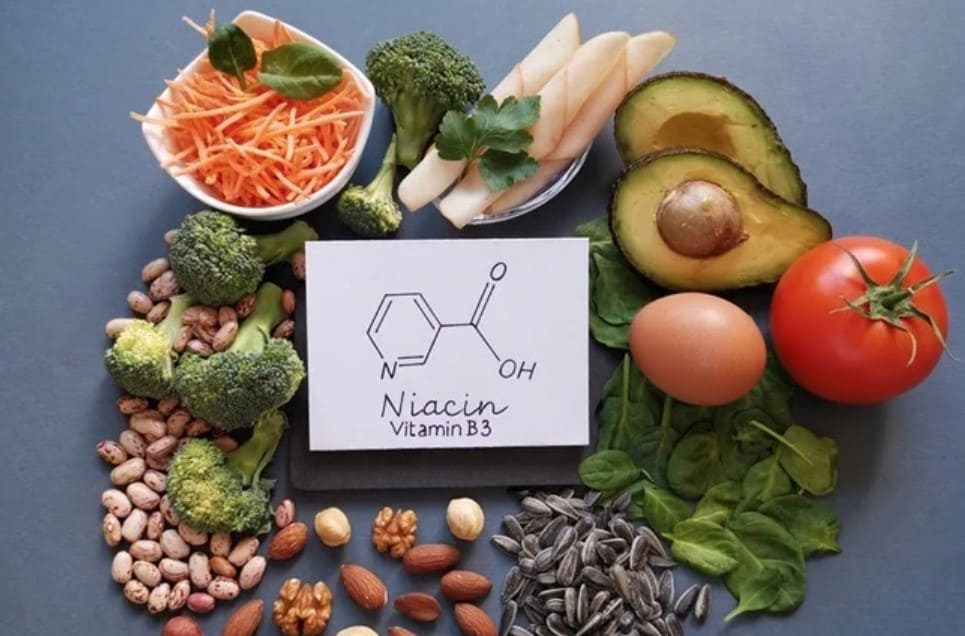
Niacin or vitamin B3 can protect us from tiredness and protect our nerves. Consuming the vital substance in sufficient quantities as part of a balanced diet is worthwhile.
Vitamin B3 checked: energy with niacin
If something is wrong in the body, it can sometimes help to check the intake of vitamins and minerals. If unbalanced food does not provide enough nutrients, imbalances are the result and a wide variety of symptoms can occur. The group of B vitamins fulfills important tasks in the metabolism and B vitamins are an essential part of a balanced diet. Vitamin B3, also known as niacin or nicotinic acid, contributes in detail
- a normal energy metabolism,
- a reduction in tiredness and fatigue,
- a normal function of the nervous system,
- a normal psychological function,
- the maintenance of normal mucous membranes and
- contribute to the maintenance of normal skin.
According to these central processes, a niacin deficiency can manifest itself through symptoms such as physical weakness and loss of appetite. In the long term, skin changes, depression, and digestive problems also occur.
That’s how much niacin you need
In industrialized countries like Germany, the intake of niacin through food is usually sufficient and a deficiency is rare. Sometimes alcoholics, anorexics, and people suffering from chronic diarrhea are affected. Healthy people get vitamin B3 primarily from meat, fish, and offal, and ham and sausage products also provide valuable ingredients such as niacin. The German Society for Nutrition (DGE) recommends that adults take 11 to 16 milligrams per day as a reference value. More precisely, the statement refers to so-called niacin equivalents. The body also produces niacin itself with the help of the amino acid tryptophan. So if you enjoy food rich in tryptophan, you automatically do something for your vitamin B3 level. The protein building block is also mainly found in animal food.
Be careful with niacin supplements
The DGE advises against an additional supply of vitamin B3 in the form of food supplements. Too high a niacin dosage can lead to skin irritation, digestive problems, and liver damage. There are even upper limits for nicotinic acid and nicotinamide that you should not exceed: 10 or 900 milligrams per day. It is best to avoid taking vitamin supplements unless your doctor has specifically prescribed them for you. Feast your way through our recipes and cook a soup chicken as a delicious source of vitamin B.



Facebook Comments