 John Myers
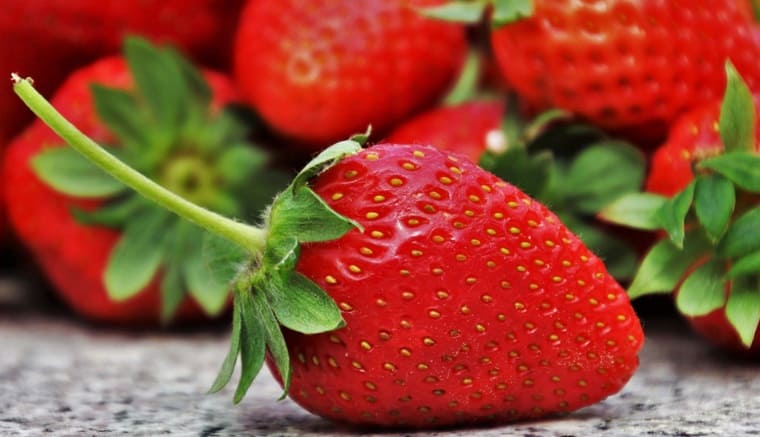
Strawberry gets moldy – you can do that
While mold makes certain cheeses a delicacy, moldy foods like bread or fruit are no longer edible.
- As soon as you spot a moldy strawberry, you should remove it from the skin and throw it away.
- Because even if only a small area is affected by mold, the mycelium of the mold has usually already spread throughout the fruit.
- Under no circumstances should you eat a moldy strawberry. Because some molds excrete mycotoxins that can damage kidney and liver activity.
- To be on the safe side, you should also discard the strawberries that are directly adjacent to the moldy strawberry, as the mold may have already spread.
- If several fruits are already affected by mold, it is advisable to throw away the entire peel.
- Or: You bring the bowl back to the shop – if possible, as quickly as possible. Even if there is little that can be done legally, many supermarkets rely on satisfied customers in the long term and are therefore mostly accommodating. Aldi, for example, says they even exchange without a receipt.
You should also pay attention to this
By storing your strawberries properly, you will prevent mold and rot.
- It is best to store unwashed strawberries in the vegetable drawer of your refrigerator. This is how you extend the shelf life.
- Take the strawberries out of their bowls beforehand and place them next to each other on a kitchen towel or plate, a little apart.
- In this way, you avoid strawberries, which are already infested with mold invisibly, and also transfer it to the other fruits.
- Wash the strawberries thoroughly before eating. To remove pesticide residues, you can put the fruit in a baking soda bath.
- To do this, mix 1 teaspoon of baking soda with 200 ml of water and let the strawberries swim in the solution for 5 to 15 minutes.


Facebook Comments