 John Myers
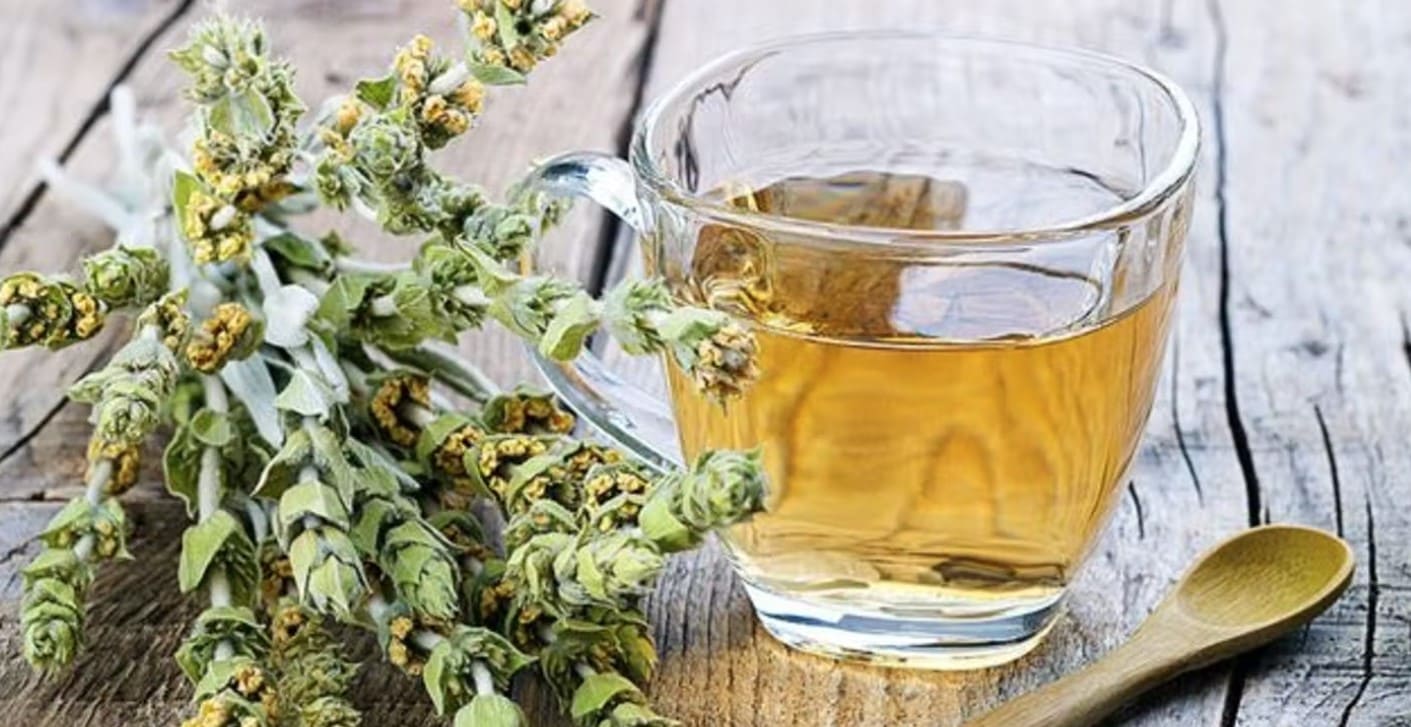
Greek mountain tea grows in the eastern Mediterranean at 1000 to 2000 meters above sea level and has been used as a medicinal herb since ancient times. We will tell you what exactly is in the tea and what is involved in the healing effect.
Ancient medicinal herb: Greek mountain tea
Unlike many other teas that are said to have healing properties, Greek tea is not a mixture of herbs. It is also not brewed together with green tea like rosemary tea, but enjoyed alone as a brew. The Greek mountain tea plant has long inflorescences with numerous yellow individual flowers and small, furry leaves. Sideritis scardica, as it is called in Latin, is also known as Greek vervain: “Sideros” means “iron” in Greek. The ancient physicians used the positive effect of Greek mountain tea on numerous ailments, and the tea is still used today as a herbal remedy. Areas of application are:
- colds
- lung diseases
- indigestion
- Dementia and Alzheimer’s
- sleep disorders
- depressive moods
- restlessness
- chronic kidney disease
The healing effect of Greek mountain tea has not been proven by large clinical studies. However, since there are numerous reports from practice and promising research results from the laboratory, it is recognized as a traditional herbal medicinal product. There is nothing to be said against using it, especially since Greek mountain tea has no side effects.
Preparation and taste of Greek mountain tea
Terpenes, essential oils and flavonoids have been identified as the most effective ingredients in Greek mountain tea. Pour boiling water over one or two teaspoons of the dried and chopped plant for one cup so that they can develop well. Let the brew steep for five to ten minutes. You can use five to six tablespoons for one liter of tea. The taste of Greek mountain tea is spicy with a light note of sage and lemon. The sooner it is enjoyed after harvest, the more aromatic the tea is. Incidentally, fresh leaves can also be brewed: Greek mountain tea also grows in beds or flower pots in this country. Add the Sideritis herb to garden herbs such as lemon balm, rosemary, or sage for your alkaline tea, and add variety to your cup.
How much Greek mountain tea is recommended?
According to the current state of knowledge, you can drink Greek mountain tea several times a day without hesitation, but there are no studies on its use during pregnancy. In summer, the herb can also be enjoyed cold. To do this, put the hot drink in a bottle or carafe, fill it up with cold water, and put it in the fridge overnight – a delicious and refreshing summer drink! Do you prefer it warm? Then try our tea grog in addition to a cup of the medicinal herb: strong black tea is refined with aniseed, lemon, sugar, and rum.



Facebook Comments