 John Myers
Ingredients for 1 servings:
- 1 heaped tbsp oat flakes, whole grain, alternatively grain flour or instant grain products such as oats, spelt, millet, etc.
- 100 ml water, cold
- 100 g fruit, organic, otherwise regional and seasonal, or bananas
- 1 tsp oil, unrefined, organic quality, e.g. rapeseed oil, sunflower oil
Instructions
Working time approx. 5 minutes; Rest time approx. 10 minutes; Total time approx. 15 minutes
for introducing complementary foods from the 5th month, very variable and with plenty of tips, wholesome, healthy and delicious
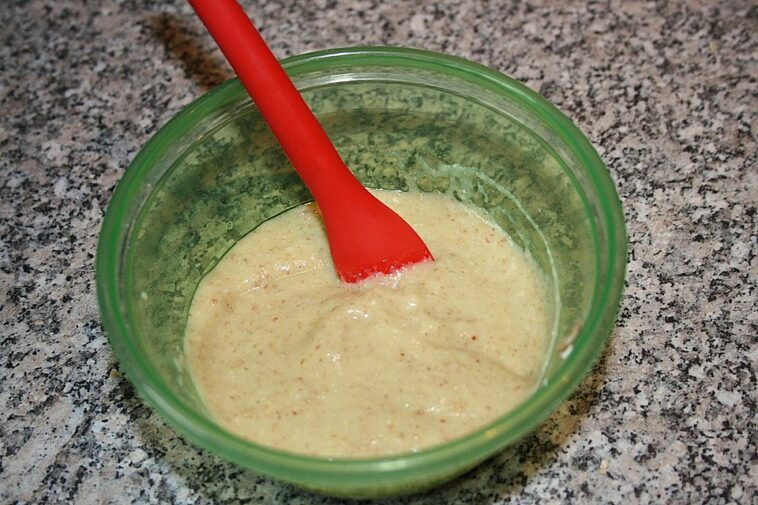
Cereal and fruit porridge is usually the second porridge served in a traditional complementary feeding program, after the vegetable, potato, and meat (fish) porridge. Briefly soak the whole-grain cereal flakes in cold water in a blender. In the meantime, wash the fruit, remove the seeds if necessary, and chop them up. Then add them to the cereal flakes in the blender and blend well. Be sure to add the oil, butter, or almond butter at the end. The consistency of the porridge will be a bit runny at first, but the grain in the porridge will expand later. Depending on your baby’s preferences, experiment with the amount of water to get the right consistency for your baby. Some people like their porridge thicker, others more runny. Always prepare the porridge in small portions and when fresh. If kept cool, it will keep for a maximum of four to five hours. Please note that vitamins are lost through light and air, and the consistency changes with prolonged standing. Preparation takes less than five minutes; it couldn’t be quicker or fresher. Tip: Alternative to oatmeal: Boil 1 tbsp of grain flour in 100 ml of water for 2-3 minutes, then pour into the blender and proceed as described above. Freshly ground flour from the health food store is best kept in the freezer, as freshly ground oats quickly become bitter due to their high fat content, so it’s best to use straight away. Regular oatmeal is heat-treated to prevent this. Instant grain products: Stir 3-4 tbsp of instant product into 100 ml of cold water, then pour into the blender and proceed as described above. Tip: Fruit: Suitable fruit includes apples (sweet varieties such as Elstar, Jonagold and Golden Delicius – which contain very little acid), pears, organic bananas (conventional bananas are heavily treated), raspberries, mirabelles, apricots, peaches, nectarines, melons, and plums, depending on the season, taste, and availability. Fruit can also be combined, but you should always test one type at the beginning to see if it is tolerated. If the fruit is very sour, a 1 cm piece of banana is a good option to create sweetness or a creamier consistency. Apples and pears do not need to be peeled; this provides additional vitamins, as they are located directly under the skin. Different types and ripeness of fruit have different water contents; please take this into account when determining the desired consistency of the finished puree. Tip: Allergy: Even for children at risk of allergies, complementary foods should be started between the ages of 5 and 7 months. Ideally, breastfeeding should continue during this time. From the age of 5 months, both gluten-containing grains (wheat, spelt, oats, barley) and gluten-free grains (millet, rice) should be used. Quinoa, amaranth and corn are gluten-free, but are only recommended to a very limited extent. Fruit can and should also be processed fresh and raw from the start, even for children at risk of allergies.


Facebook Comments