 John Myers
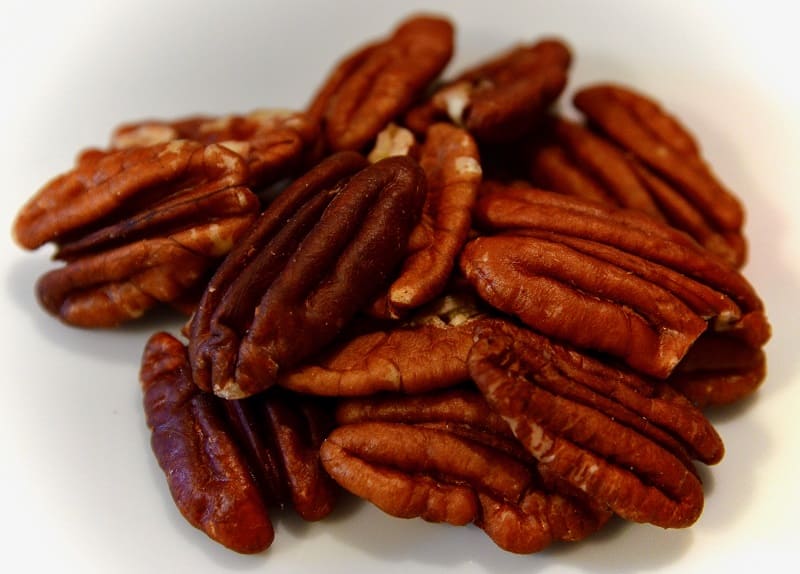
People with a pecan nut allergy are allergic to both pecan nuts and the pollen of the pecan nut tree. In this article you will learn what causes pecan nut allergy, what the symptoms are and what you can do as a sufferer.
Contents
show
Allergy to pecans – these symptoms exist
Symptoms can vary depending on whether the allergic reaction is triggered by contact with bee pollen or by eating pecans.
- If the allergic reaction is caused by eating pecans , the most common result is swelling and itching around the lips or mouth. Pustules, blisters and pimples can also appear on the tongue or lips.
- Other symptoms after consumption can range from malaise, vomiting and diarrhea to breathing difficulties and asthmatic attacks. In the worst case, the consumption of pecans leads to an allergic shock in those affected.
- If it is an allergic reaction to the pollen , other symptoms appear. The most common symptoms include itching and swelling of the nasal mucosa, sneezing fits, a cold and a runny nose.
- In addition, those affected react to the pollen with burning, itchy eyes and, in some cases, reddening of the skin on the face and neck. Pustules can also be the result of an allergic reaction to the pollen of the pecan tree.
These causes are behind a pecan nut allergy
Since pecan nut trees are comparatively rare in Germany and Europe, pollen allergies are far less common than in Canada or the USA, for example.
- The cause of a pecan nut allergy is a sensitization of our immune system to allergens contained in pecan nuts or pollen.
- This means that our organism recognizes one or more of the allergens as invaders. The antibodies formed as a result of the immune reaction are what trigger the symptoms described above.
- A pecan nut allergy usually develops when people are already allergic to other nuts or legumes. Conversely, however, a pecan nut allergy can also be the starting point for cross allergies.
- Children who are already allergic to peanuts are particularly susceptible to pecan allergy.
Here’s what you can do if you’re allergic to pecans
If you suspect you’re allergic to pecans, it’s best to see your doctor first for an allergy test.
- If it is indeed a pecan nut allergy, you should stay away from pecans and always check whether food or cosmetics contain pecans. For example, pecan nut oil (Carya illinoensis oil) can be added to cosmetic products.
- Your doctor will also prescribe anti-allergic medicines to relieve acute allergic symptoms. Cortisone ointments can also be prescribed for skin reactions.
- If you suffer from asthmatic symptoms as a result of contact with pollen or the consumption of nuts, there are also special metered dose aerosols that you can use in an emergency.


Facebook Comments