 John Myers
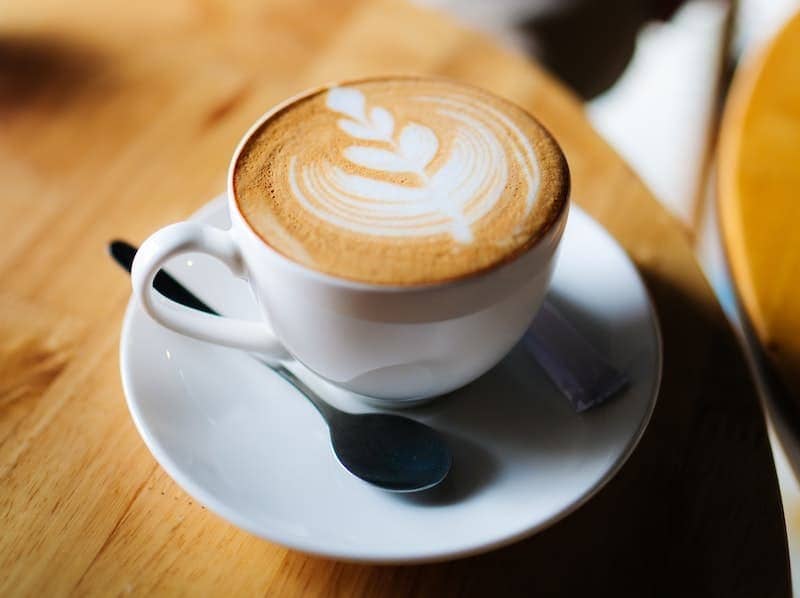
The Italian coffee drink consists of one third espresso, one third boiled milk and one third milk froth. It is usually served in a 200 milliliter ceramic mug.
Origin
A real Italian? Not quite! The “Kapuziner”, a mocha with a crown of whipped cream, has long been served in Austria. The colors of the specialty reminded the Austrians of the habit of the Capuchin monks – dark brown habit with a white belt – and that’s how the name came about. Towards the end of the 19th century, the Italian army was stationed in Austria. The soldiers learned to love the coffee and brought it home, where the cream was replaced with frothed milk.
Season
A cappuccino tastes good at any time of the year.
Taste
Ideal for anyone who finds an espresso too bitter: the creamy milk softens the strong coffee aromas and ensures a round taste.
Use
While Italians only drink a cappuccino for breakfast, in Germany this coffee preparation is also often ordered after a meal or with a piece of cake.
Storage/shelf life
Ideally, the espresso beans are ground just before preparation. An opened pack of ground coffee loses its aroma within a week or two – but that doesn’t mean that the coffee is spoiled. Unopened and not stored too warm, airtight packaged coffee keeps very well, pay attention to the best-before date on the packaging.
Nutritional value/active ingredients
On average, cappuccino provides 33 kcal/140 kJ, 1.7 g protein, 1.8 g fat, and 2.5 g carbohydrates per 100 g. Of course, caffeine is also included.



Facebook Comments