 John Myers
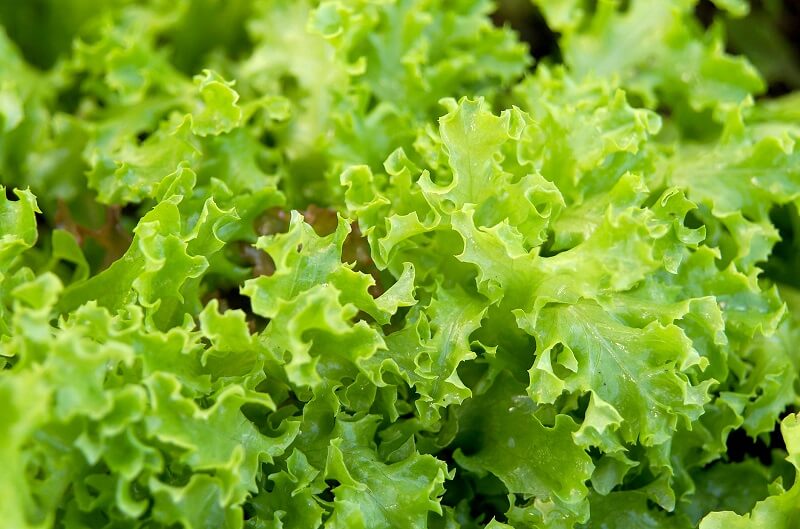
Gas after salad is a phenomenon that confuses some people. Eventually, society sees bloating as a sign of an unhealthy gut. We’ll explain why this isn’t always true.
Avoid flatulence after eating a salad
There are a few tips and tricks you can use to minimize the discomfort. If the flatulence is really bothering you, it might be worth going to the doctor’s office. There may be a serious health problem behind it.
- If you eat salad with foods that are difficult to digest, such as meat, you should always eat the salad first. Because meat is harder to digest, it stays in the stomach and intestines longer. If there is lettuce in the mix, the ingredients in the lettuce will begin to ferment – causing gas. If the lettuce is eaten first, it gets into the intestines faster and causes less discomfort.
- Always combine lettuce with fat and protein. In this way, the ingredients of all foods can be better digested, which leads to fewer digestive problems. Also, fat-soluble vitamins like vitamins A and E are better absorbed when you eat something fatty.
- Many types of fruit also have a flatulent effect. These include apples, bananas and plums. When it comes to vegetables, all types of cabbage, legumes and leeks have a flatulent effect. Fennel, on the other hand, minimizes the symptoms.
Hence the bloating
Flatulence after salad is a common occurrence and generally does not indicate a serious illness. Everyone has bloating from time to time.
- Raw foods and fresh vegetables, including lettuce, can promote gas. This is because when the lettuce is digested, gases are produced in the intestines that have to be evacuated from the body. If you switch your diet from a high-meat, high-carb diet to a raw food diet, you will suffer from bloating.
- A 2021 study compared the digestion of two groups of men who ate different diets. One group ate the “Western” diet, which was high in meat and carbohydrates, while the second group of men ate a Mediterranean diet, high in fruit and vegetables.
- The researchers found that the intestinal flora of the men who ate a lot more vegetables had changed – in a positive direction. These men had lower levels of inflammatory markers in their urine than the comparison group. A side effect was that the men suffered from more flatulence and mainly had bloated bellies.
- It cannot be proven that the flatulence would last for a long time, since the research period was too short. It’s possible that with a consistent Mediterranean diet, bloating would have gradually diminished as the microbiome in the gut would have fully adapted to the diet.


Facebook Comments