 John Myers
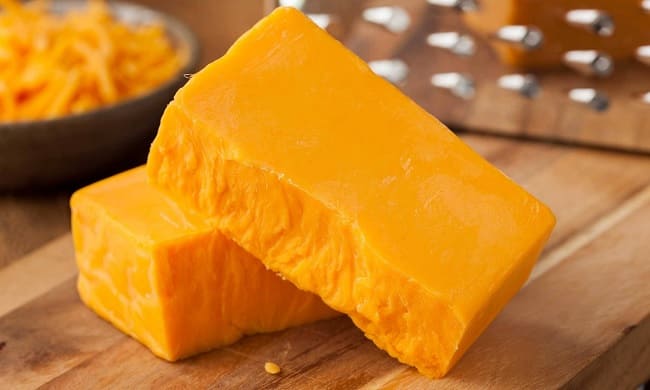
Whether Pecorino or Emmental: hard cheese is characterized by its strong flavor ranging from spicy to nutty. Find out below how the taste is created – and discover the culinary versatility of the solid dairy product.
Worth knowing about hard cheese
The type of hard cheese is notable for its maximum water content of 56 percent in the fat-free cheese mass. In comparison, soft cheese contains at least 67 percent water in the fat-free cheese mass. This property gives the hard cheese its firm consistency.
In order to produce a hard cheese, it takes a long maturing period. Two months is the minimum. The cheese loses its liquid. Good to know: Due to the comparatively long maturing process, there are hardly any living microorganisms in hard cheese (provided that pasteurized milk is used instead of raw milk). Certain varieties can also be allowed during pregnancy.
The best-known types of hard cheese also include Italian hard cheeses such as Pecorino and Parmigiano Reggiano as well as Emmental.
Tip: Varieties such as the Italian Montello are particularly suitable for vegetarians. With this hard cheese without rennet, the animal enzymes that are otherwise used to thicken the milk are not used during production. However, many types of cheese are already being made without animal rennet. Look out for the V-Label for “vegetarian” on the packaging or ask at the cheese counter.
Purchase and storage of hard cheese
You can buy hard cheese already grated, in slices or in one piece. Real lovers prefer the latter option. Grana Padano and Co. develop their aroma best when they are freshly chopped up with a hard cheese knife or a hard cheese grater before consumption.
It is best to store your hard cheese wrapped in parchment paper or in a tea towel in the fridge. Here it stays for many weeks or even months. However, the shelf life of your hard cheese also depends on the storage conditions in your refrigerator. It shouldn’t be too humid there.
And if you’ve ever wondered what the difference is between Parmesan and Grana Padano, we’ve got the answer.
Kitchen tips for hard cheese
High-quality hard cheese is the easiest way to spoil your loved ones with sophisticated finger food. Cut into cubes, the fine bites are served with fig mustard, grapes, and a glass of wine for a real gourmet treat. The question “Which cheese goes with which wine?” answers the expert.
Alternatively, enjoy slices of hard cheese such as cheddar or Emmental on fresh bread. With finely grated hard cheese such as Parmesan, you also immediately give every dish more flavor. So use it in soups, in vinaigrettes, in pasta sauces, or to bake casseroles.



Facebook Comments