 John Myers
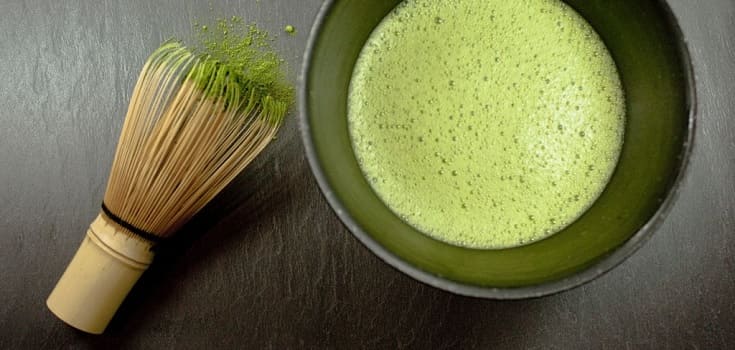
Matcha is a traditional Japanese tea drink; literally, it means “ground tea”. Here with us, matcha is considered a good alternative to coffee. However, it is not only consumed as a hot drink but is also used in pastries, smoothies, or ice cream.
And this is how the tea is prepared: Put 2 teaspoons of the green powder in a Matcha bowl, then stir with a little cold water and the special bamboo whisk to form a lump-free paste. Then add about 70 ml of 80-degree hot water and stir vigorously with the bamboo whisk until light green foam forms on the surface.
To prepare it, about a teaspoon of Matcha is put in a cup and stirred thoroughly with water that is no more than 80 degrees hot, so that no lumps form. Then the desired amount of milk is heated, whipped until foamy, and added to or stirred into the Matcha tea.
How do I properly prepare Matcha tea?
Fill a bowl with water, place a sieve over it, pour in the powder, and carefully tap the powder out of the sieve with a spoon. This will break up any lumps and result in highly soluble matcha. Now just stir, froth, or shake. Finished!
How Much Matcha Tea to Drink?
The easiest way is to dose the matcha powder with an ordinary teaspoon. For one cup (about 250 ml), about 1-2 teaspoons of Matcha powder are placed in a Matcha bowl or in another suitable container and then poured with 80-degree hot water.
How often do you drink matcha tea a day?
Since matcha tea has such a high concentration of ingredients, no more than two cups of it should be drunk daily. With Matcha tea, the whole leaf is processed, so that all of it is consumed.
Is Matcha Tea Really That Healthy?
The high aluminum content, which the Federal Institute for Risk Assessment (BfR) has detected in some samples of matcha tea, is unhealthy. Long-term high aluminum intakes can lead to reproductive and bone development disorders as well as diseases of the nervous system.
What is healthier matcha or green tea?
Matcha tea has about three times the EGCG of other green tea. Various studies have examined the effect of EGCG on cancer cells, Alzheimer’s, and diabetes. But very important: clear scientific evidence is still missing.
When is the best time to drink Matcha tea?
It is best to drink matcha in the morning or mid-morning. Like all teas, Matcha contains theine, which has a chemical structure similar to that of caffeine – about as much as an espresso. Unlike the caffeine in coffee, the caffeine in matcha is bound to tannins.
Can you lose weight with matcha tea?
One thing straight away: A cup of Matcha tea a day does not solve any weight problems. But it supports your diet and stimulates the body to burn a lot of calories. Caffeine and catechins, which are secondary plant substances, ensure that less fat is absorbed from food.
How long should matcha tea steep?
In the best teas, the first infusion, which is the most aromatic and contains the most bitter substances, should only steep for 30 seconds to a minute. The following infusions usually last only 10 to 15 seconds.
How Much Matcha Powder Per Day?
Matcha contains as much caffeine per cup as an espresso, i.e. around 60 mg. It works slower but lasts longer. The European Food Safety Authority (EFSA) considers a maximum of 400 mg of caffeine per day to be safe for adults. This roughly equates to 6-7 cups of matcha tea.
Can you drink tea after matcha in the evening?
Matcha tea is made from freshly ground green tea leaves and has one of the highest caffeine contents in the tea sector. You should not drink Matcha in the evening, as it is known for its stimulating effect.
Can you drink matcha with water?
To prepare it, about a teaspoon of Matcha is put in a cup and stirred thoroughly with water that is no more than 80 degrees hot, so that no lumps form.
What does matcha do in the body?
No wonder green tea has been drunk by Buddhist monks for centuries! Because Matcha is grown in the shade, the L-Theanine content in Matcha tea leaves is 5 times higher than in other green teas (20 mg vs. 4 mg).
How much caffeine does 1 teaspoon of matcha have?
Adult caffeine consumption should not exceed 400 mg per day. A 1g cup of matcha tea contains 35mg of caffeine.



Facebook Comments