 Emma Miller
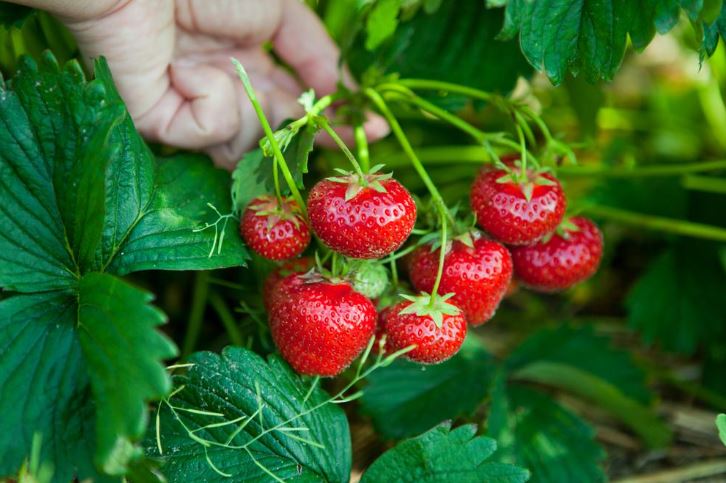
Strawberries should be treated in early spring – of course, depending on the weather conditions and the region. The list of necessary actions is always the same, you can not skip the steps, otherwise, the crop can be severely affected.
How to properly treat strawberries after winter – loosening, weeding, and pruning
After the snow has completely descended, melted water has rolled down, and the soil has dried and warmed up, you can begin the care procedures. The first thing you need to do is:
- collect old mulch from the beds;
- cut back dry leaves and shoots.
Such organic matter is a good breeding ground for pests and bacteria, so it must be removed necessarily and carefully, so as not to damage a healthy plant.
The next stage – loosening the beds to a depth of 5-10 cm, without damaging the roots. They need to dip, in parallel removing weeds. If you have old bushes that you do not plan to transplant, cut off dry and diseased leaves with a secateurs.
Replanting adult strawberry bushes
It is important to remember that 5 years is the maximum time for a strawberry bush. After this time, the amount of harvest decreases, and the taste of berries deteriorates. To avoid this, every 3-4 years the bushes should be replanted. You can do this only when the soil warms up to 10-12°C.
Use beds prepared from the fall (or those you made a month before planting) and plant mustaches from old bushes. Before planting, clean the soil of weeds, break up lumps, apply 6-8 kg of compost or humus per 1 sq.m. of bed, then level with a rake. In each bed, pour a little ash. Experienced gardeners recommend adding fertilizer to provide strawberries with the necessary substances.
Watering and mulching strawberries
The first watering is necessary because it disinfects the soil and stimulates seedling growth. Warm water with a solution of manganese is ideal. Regular watering should begin when the soil begins to dry out – that is, at high temperatures. Until then, watering strawberries once a week is sufficient.
If you want the bed to be free of weeds and pests, and the berries to grow well, you need to mulch the soil. To do this, use wood chips, chopped straw or hay, dry coniferous needles, and peat. Usually, this is done simultaneously with the start of regular watering.
What is the best way to feed strawberries in the spring – options
Feeding berries – a decisive aspect in the field of culture. Gardeners accentuate that the longer during the season a particular variety bears fruit, the larger the berries, and the higher the yield from the bush, the more frequent and abundant should be the fertilizing.
There are several stages of such a procedure:
- Nitrogen fertilizers – to stimulate green mass;
- phosphorus and potassium fertilizers – before the beginning of flowering;
- organic or complex fertilizers – during the formation of ovaries, during and after the end of fruiting.
You can buy each type of fertilizer in specialized stores, the main thing is not to mix up the stages and observe their sequence.
Treatment of strawberries in the spring against pests and diseases
Among the possible dangers that can attack your plants and deprive you of delicious berries, gardeners highlight the main ones:
- aphids;
- thrips;
- whiteflies;
- nematodes;
- weevils;
- mites.
White rot, fusarium, white and brown spot, powdery mildew, and phytophthora are the diseases that most often affect strawberries. It can happen because of the remains of dead leaves, excessive watering, long cultivation of bushes in the same place, poor drainage, etc.
After you trim the bushes and remove the old mulch, treat the strawberries with manganese, copper sulfate, Bordeaux liquid, or other similar preparations. Using quality insecticides will noticeably reduce the chance of pests or diseases.


Facebook Comments