 John Myers
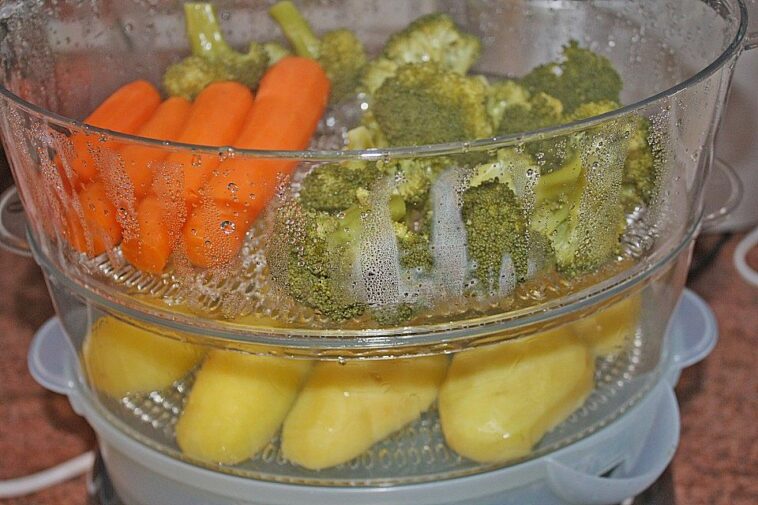
Ingredients for 7 servings:
- 1 kg vegetables, e.g. parsnips, Hokkaido pumpkin, carrots, kohlrabi, zucchini, cauliflower
- 500 g potatoes, floury
- Vegetable oil, high-quality (e.g. rapeseed oil)
Instructions
Working time approx. 30 minutes; Cooking/baking time approx. 20 minutes; Total time approx. 50 minutes
Vegetable and potato mash for lunch
This recipe is suitable as a lunchtime porridge for babies from the start of their porridge-eating period. It is so versatile that it can be used over time and adapted to the child’s changing needs. If giving lunchtime porridge for the first time, introduce it gradually: initially, feed just the vegetables in a few spoonfuls and gradually increase the amount. Only add the potatoes after a week, and after another week, add the oil. I recommend using organic ingredients. For younger babies, use only one type of vegetable at a time. Once the child is familiar with the vegetables, you can combine them. Just experiment and see what your child likes. Be careful, some children react to carrots with constipation! Thoroughly clean, peel, wash, and dice the vegetables. Steam in a little water in a covered pan at low heat until the vegetables are tender (10 to 20 minutes, depending on the variety). At the same time, boil the potatoes with their skins on, also for about 20 minutes. Peel the cooked potatoes. Using a hand blender, purée the cooked vegetables with some of the cooking liquid. If necessary, add more cooking liquid or boiled water until the consistency is satisfactory. Do not mash the potatoes, as this will make them sticky! Instead, press them through a potato ricer or mash them with a fork and then strain them through a sieve. This takes some work, but it’s worth it in the beginning to ensure the puree is nice and smooth. Then add the potatoes to the vegetable puree, mix well, and add a little more liquid if necessary. Freeze the puree in small portions. Small plastic cups are ideal (e.g., Nuby’s comes in two sizes). Leftovers can be easily frozen in ice cube trays—then you have very small amounts to supplement the portions when you’re particularly hungry. It’s best to thaw them overnight in the refrigerator (or in a water bath if you’re in a hurry). Before heating, add a tablespoon of high-quality vegetable oil to the puree portion. Variation: If you want to add meat, you can add beef or chicken from a baby food jar two to three times a week after thawing. Divide one baby jar into two or three portions. Once your child has their first teeth, you can gradually introduce them to coarser purees. To do this, first purée the vegetables less finely or pass them through the larger holes of a food mill. Once your child is comfortable with this, simply mash the potatoes with a fork and mix in. Finally, you can also add small amounts of very soft, cooked short-grain rice to the puree (it’s best to add it carefully after thawing, and then increase the amount day by day). Later, you can also add small noodles.


Facebook Comments