 John Myers
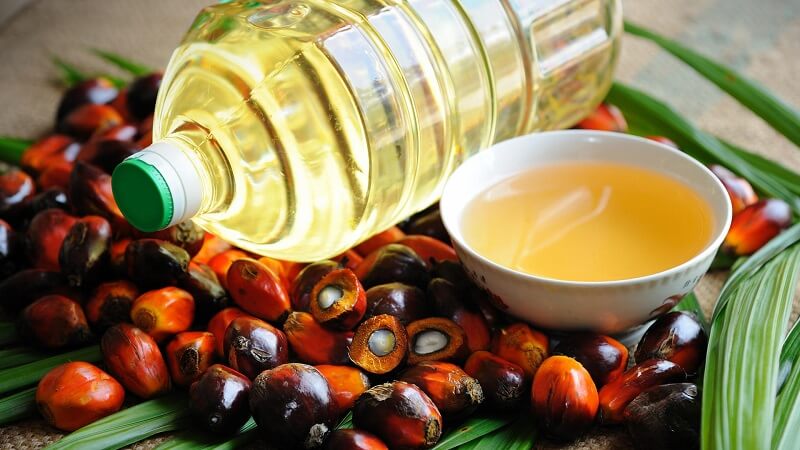
It is in chocolate cream, biscuits, snack foods and many finished products: Palm oil is the cheapest and most commonly used vegetable oil worldwide. How can sustainably produced goods be identified?
The essentials in brief:
- The increasing number of oil palm plantations is destroying rainforest and causing significant ecological and social problems in the producing countries.
- The refining of palm oil produces pollutants, including some that are potentially carcinogenic.
- More and more people therefore want to avoid palm oil. But which foods contain the oil?
- If it has to be palm oil, how can you identify sustainably produced goods?
Palm oil offers a number of advantageous properties for manufacturers: It is inexpensive, heat-stable and can be processed in a variety of ways. But since oil palms grow almost exclusively where rainforests would otherwise thrive, millions of hectares of forests, some of which are illegally cleared, fall victim to cultivation. Burning and burning not only fuels climate change, it also drives animals and humans out of their habitat.
The cultivation of oil palms creates ecological and social problems. Many people therefore want to avoid the oil or prefer products with sustainably produced palm oil.
Children quickly consume too many pollutants with palm oil
Palm oil refining can produce increased levels of fatty contaminants, including 3-MCPD fatty acid esters (3-MCPD), compared to other vegetable oils. This substance is possibly carcinogenic.
In 2019, the Bavarian consumer advice center surveyed 26 manufacturers of biscuits, muesli, spreads and snacks containing palm oil about the 3-MCPD content in their products. Eleven manufacturers responded with precise information on fat pollutants. Your statements show that you are aware of the problem. Nevertheless, the products contain amounts of pollutants that can quickly exceed the daily tolerable amount of 3-MCPD if the food is unfavorable, especially in children.
For this reason, the Federal Institute for Risk Assessment also considers an increased health risk for children and infants (via baby food) to be possible in its statement (2020).
Maximum levels for 3-MCPD fatty acid esters in various foods, including vegetable oils, infant formula and follow-on formula, have been in force throughout Europe since the beginning of 2021. The consumer advice centers had been calling for such a regulation for years. It enables food control to withdraw products with increased fat pollutant values from the market.
How do I recognize palm oil in food?
Palm oil is mostly used in heavily processed foods such as instant soups, chocolate bars, ice cream or margarine. In addition to the class designation “vegetable oil”, the vegetable origin of the fat must also appear in the list of ingredients on foods, for example “palm”, “palm fat” or “palm oil”.
Such labeling is not mandatory for cosmetics and detergents.
However, it is usually not possible to tell whether the palm oil comes from sustainable production. So far, there are no state seals with clear specifications for sustainably produced palm oil. Buyers are dependent on the seldom found voluntary labels and information from the providers. These are often difficult to understand, hardly comprehensible and critics usually complain that the various sustainability certifications such as the RSPO are insufficient.
Tips for shopping
- Cook and bake more often yourself with fresh, unprocessed food, as palm oil is often found in ready-to-eat meals.
- It is best to avoid highly processed foods with palm oil. A look at the list of ingredients or a manufacturer’s note such as “Without palm oil” will help.
- Pay particular attention to palm oil-free products when shopping for children.
- If there are no alternatives without palm oil: Give preference to foods that contain palm oil and are organic and fair trade ( organic and fair trade seal ).
- Ingredients that come from palm oil and are used in cosmetics can be identified by names such as sodium palmitate, isopropyl palmitate, palm kernel alcohol, glyceryl palmitate or palm stearin.
Demands of the consumer center
Since palm oil is used in large numbers and in a variety of ways, it can hardly be completely banned. Simple solutions to the problem and alternatives are not in sight in the short term.
- The industry must continue to work on avoiding or significantly reducing fat pollutants such as 3-MCPD in foods for infants and children.
- Manufacturers of food, detergents, cleaning agents and cosmetics are called upon to meet their social and ecological responsibilities: If they do not want to do without palm oil, they should use more sustainably produced, certified palm oil or prefer palm oil from organic farming and fair trade.
- Only a state-certified and strictly controlled seal for sustainable palm oil ensures transparency when shopping and enables a conscious purchase decision. As long as there is no state seal, manufacturers must inform consumers about the origin and production of the palm oil on the product packaging of food, detergents, cleaning agents and cosmetics in a way that is understandable, comprehensible and clearly visible.
- In the EU, more than 60 percent of the imported palm oil is used to generate energy (e.g. biodiesel). What was originally planned as a climate protection measure contributes to exacerbating the problems of palm oil production – and probably even causes significantly higher greenhouse gas emissions than the fossil fuels it replaces. For reasons of climate protection, palm oil should not be burned to generate energy.


Facebook Comments