 John Myers
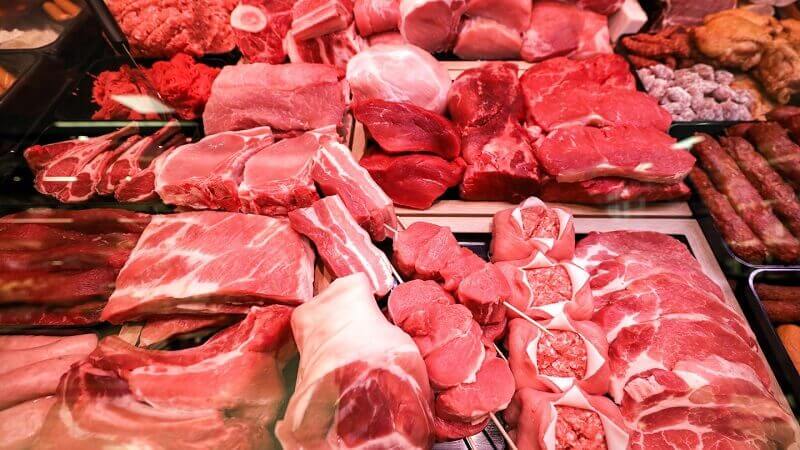
Meat has always been a sought-after and popular food. Raw, it can spoil quickly. Raw meat should therefore be stored for a short time and at a maximum of 4 degrees Celsius.
The essentials in brief:
- Raw meat should be transported and stored cool: ideally no warmer than 4 degrees Celsius. Use cooling bags and batteries for transport.
- When you shop, you can recognize fresh meat by its smell, surface, color and marbling.
- The best place for meat in the refrigerator is on the glass shelf above the crisper.
Raw meat can spoil very easily. Proper, consistently cool storage at temperatures below +7 degrees Celsius is all the more important, and even better at a maximum of +4 degrees Celsius. Disease-causing germs present on the meat surface can then only multiply slowly. Between 10 and 65 degrees Celsius, on the other hand, many bacteria multiply particularly quickly, including those that can cause foodborne infections such as diarrhea. In the case of packaged meat, you should therefore absolutely observe the storage temperature specified on the packaging.
Also, avoid transferring germs from raw meat to other foods through direct contact. Indirect transmission of germs via meat packaging, hands, equipment, work surfaces, knives or barbecue tongs is also easily possible. Therefore, hygienic handling of raw meat is essential.
How do I recognize fresh meat?
If possible, check the meat for freshness characteristics when you buy it: smell, surface, coloring and marbling.
You can find frequently asked questions about spoiled meat at the Federal Institute for Risk Assessment.
- Odor
Meat should smell neutrally mild, possibly slightly sour, but never sweet or unpleasant. - Surface condition
The surface of meat should not appear greasy and should not show bruises. It should be firm when pressed with a finger, i.e. it should not be pressed in too strongly or even feel spongy and soft. The meat should be almost dry in the pack or on the meat counter, i.e. not already swimming in its own juices. Fresh, high-quality meat does not lose much water. - Color
The color of the meat varies depending on the species and the age of the animals. Fresh beef is light to dark red, pork is pink and shiny. Venison is red to reddish brown in color. Meat from older animals is darker than that from young ones. - Marbling
The fine network of fatty veins that runs through the meat between the individual muscle fibers is referred to as marbling or fat grain. The more marbled the meat, the better the taste, since the fat carries aroma and flavoring substances. Conversely, the higher the percentage of lean meat, the lower the fat and taste of the meat. Since the fat content roasts, you need less frying fat for marbled meat or very lean meat can become dry and tough when roasted. The older the animal, the more the color of the grain changes from white to yellow or even dark yellow.
How long does meat keep?
Meat packaging has a best – before date or a use-by date. Meat is perishable because the surface is hardly protected against encroaching bacteria. At the same time, the meat is a good breeding ground for bacteria. The larger the surface, such as in goulash, sliced meat and especially minced meat, the better the microorganisms can multiply. Even when stored in the refrigerator, spoilage occurs after a day or two at the latest. The same meat can be kept much longer as a large piece.
What is the best way to store meat in the fridge?
The coolest spot in the fridge is usually the glass shelf above the vegetable compartment. Storage at a maximum of +4 degrees Celsius is ideal for meat. To preserve taste and quality, raw pieces of meat should not be stored in the refrigerator for longer than specified (see table). Raw sausages and raw ham do not have to be stored in the refrigerator. When stored in a dry, cool place (up to 15 degrees Celsius), they can be kept for several weeks.
| Meat | Storage time at 0 to +4 degrees Celsius |
| Minced meat, raw | Preparation on shopping day |
| Goulash, sliced meat, skewers (raw) | 1 day |
| Offal, raw | 1 day |
| Roasts, steaks, whole pieces (raw) | 3 to 4 days |
| Poultry meat, raw | 1 to 2 days |
| Boiled and boiled sausage | 2 to 4 days |
| Prepared (well cooked) meat | 2 to 3 days |
How long does frozen meat keep?
Deep-frozen meat sold in stores must be put back in the freezer immediately at home. The cold chain must not be interrupted. The best-before date provides information about the shelf life.
Freezing meat: The shelf life of self-frozen meat depends on the storage temperature and the type of meat (see table). Under good storage conditions at around -18 degrees Celsius, pork can be kept for up to 8 months and beef for up to 12 months. The limiting factor is the fat content of the meat or the onset of fat spoilage (rancidity). Bacteria, yeasts or molds fall into a “cold sleep” at freezing temperatures, so they do not multiply. However, most microorganisms survive, become active again on thawing and can multiply.
Therefore, thaw meat slowly in the refrigerator and discard the thawing liquid. Important: To ensure that no pathogenic bacteria that may be present are transmitted, meat, plates or bowls and defrosting liquid must not come into contact with food that is eaten raw. This applies in particular to poultry and pork due to possible contamination with salmonella.
| Meat | Frozen storage time at -18° Celsius |
| Beef | 10-12 Months |
| Veal | 9-12 Months |
| Pork, lean | 6-8 Months |
| Pork, fat | 4 Months |
| Ground beef, lean | 1-3 Months |
| Minced meat, fat | 1 month |
| Chicken | 8-10 Months |
The information in the table is to be understood as a guide or as empirical values. They are intended to provide guidelines for storage.
How do I recognize spoiled meat?
Spoiled meat has changed its appearance, texture, smell, and taste. You shouldn’t eat it then. Otherwise serious food infections could be caused. Meat usually spoils due to poor hygiene. The causes of spoilage are microorganisms such as bacteria or mold, incorrect storage conditions (insufficient cooling, dehydration (freezer burn)), parasite infestation or contamination with dust or fecal particles.
Caution: Pathogenic bacteria that do not produce any signs of spoilage, such as changes in appearance, consistency, smell or taste, can also multiply. They can also cause nausea, vomiting and diarrhea. Therefore, the correct handling of meat is important in any case.


Facebook Comments