 John Myers
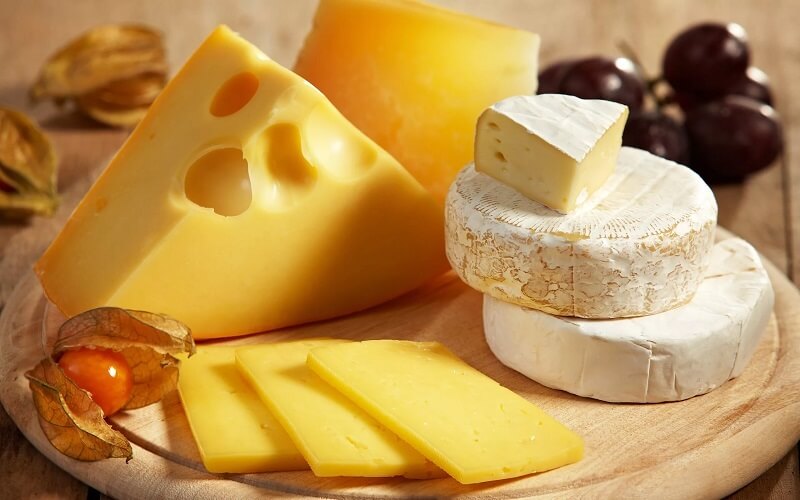
Both variants have health advantages and disadvantages.
Plus points of “real” cheese are definitely the high calcium content and, depending on the variety, a high protein content. In addition, only a few industrial processing steps are required to produce cheese. The content of cholesterol, saturated fatty acids and a high fat content in general can have a negative effect.
Vegan variants, on the other hand, contain no cholesterol because they are made from vegetable fats. In addition, there are sometimes nuts, almonds or plant drinks. Even people with lactose intolerance can access it without hesitation. Disadvantage: In order to achieve a cheese-like product, a higher level of industrial processing is usually required. The consistency, taste and color of cheese are often only achieved through the use of additives. The quality of the underlying fats is usually difficult to assess. Palm or coconut fat is often used, which has a high proportion of saturated fatty acids.
In addition to the vegan, sliceable cheese alternatives, there are products in which plant-based drinks undergo a fermentation process and maturing like cheese made from milk. They are available, for example, as an alternative to cream cheese, sour cream, camembert or feta. Here, fewer additives are often needed to achieve a cheese-like product.
The composition of the ingredients and the main nutrients can vary greatly from product to product. We therefore recommend that you always take a close look at the nutritional value table of a substitute product and compare it with the real cheese. Pay particular attention to the total fat content, unfavorable saturated fat, sugar and salt.
Did you know that vegan “cheese” is not allowed to be called that? The term “cheese” is reserved by law for products made from the milk of animals. Herbal alternatives must always be clearly labeled as such and the main substitute must be stated on the packaging.

Facebook Comments