 John Myers
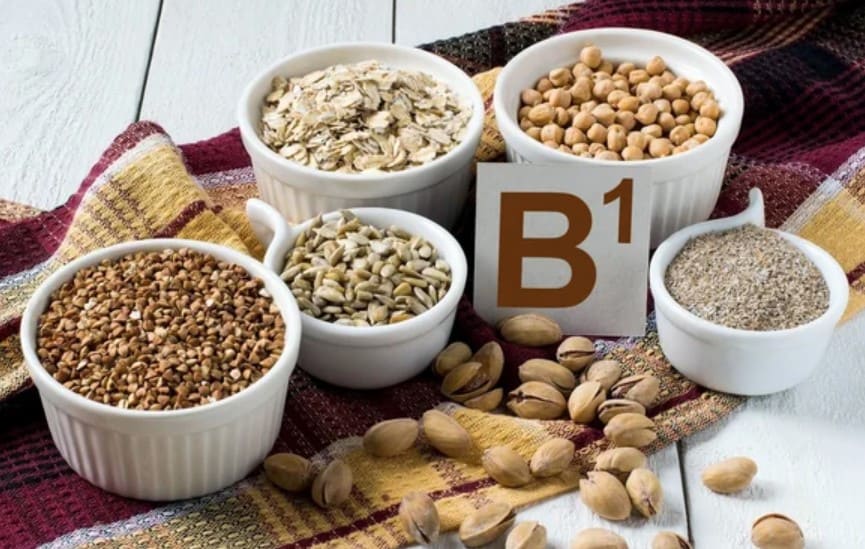
Like all B vitamins, B1 or thiamine is water-soluble and therefore cannot be stored sufficiently by the body. In order not to develop a deficiency, it must therefore be ingested regularly with food. You can find out here which foods contain a lot of vitamin B1.
Meet requirements: vitamin B1 foods
Thiamine is one of the B group vitamins that should always be part of a balanced diet. In the body, vitamin B1 contributes to the normal functioning of the energy metabolism, the psyche, the heart, and the nervous system. In order to cover the requirement, the German Society for Nutrition (DGE) recommends women to take 1 mg daily (pregnant and breastfeeding women: 1.2 to 1.3 mg), men in the age group 19 to 25 years 1.3 mg, and from 65 years 1.1 mg. Everyone else should consume 1.2 mg. In Germany, it is not difficult to achieve these amounts as part of a normal diet with vitamin B1 foods. Even those who eat vegan are usually sufficiently supplied with the vital substance since thiamine is contained in animal and plant foods.
Recommended vitamin B1 foods for breakfast
An important supplier of vitamin B1 is cereals in the whole grain version. Oat flakes in particular contribute to the supply, which is why a porridge for breakfast is one of the vitamin-rich recipes in terms of thiamine. Supplemented with fruit and milk, the popular dish also performs well in terms of other vitamins and minerals. Whether you choose bananas, cherries, watermelons, raspberries or other fruits is a matter of taste. However, fruit makes only a small contribution to vitamin B1 supply. Bran, yeast flakes, and wheat germ are better for spicing up the oatmeal or muesli in this regard. Sunflower seeds, pumpkin seeds, and flaxseed are also among the designated vitamin B1 foods. Hearty eaters can enjoy a whole-grain roll with Lyon sausage, beer ham, meatloaf, and similar pork sausage specialties in the morning, all of which are rich in thiamin.
Lunch and dinner with lots of vitamin B1
If you are a vegetarian, vegan, or do not eat pork for religious reasons, legumes and nuts are rich sources of vitamin B1. Other types of meat are also included, such as lamb, poultry, and beef offal. Other sources lower in thiamine include fish, eggs, beef, chicken, zucchini, and peas. So if you eat bread, rice, corn, beans, lentils, meat, sausage, and the other vitamin B1 foods mentioned regularly, then you do not need any dietary supplements – even if they often promise performance-enhancing effects. A vitamin B1 overdose is generally not harmful to health because the body simply excretes excess with the urine or through the intestines. However, there is no benefit to you from getting B1 and other vitamins in the body in excess of what is needed.
Also find out which foods contain vitamin A, vitamin B2, vitamin B6, or folic acid.


Facebook Comments