 John Myers
Vitamin B2 is involved in many vital processes in the organism. In the following, you will find out what these are and how you can get enough B2 with food.
Essential: Vitamin B2 foods
The name already implies it: without vitamins, there is no life. The essential substances must be ingested with food in order to maintain bodily functions. Vitamin B2, also known as riboflavin, is important for metabolism and is involved in maintaining the following normal processes and functions:
- Energy and iron metabolism
- Eyesight and skin
- mucous membranes
- Red blood cells
- nervous system
- Cell protection
- Reduction of tiredness
Like all B vitamins, vitamin B2 is water-soluble and is not stored in the body. Therefore, a continuous supply through food is required. To cover the daily requirement of a healthy adult, the German Society for Nutrition (DGE) recommends 1.1 mg of vitamin B2 for women and 1.4 mg for men. From the age of 51, it may be 0.1 mg less each time.
Which foods contain vitamin B2?
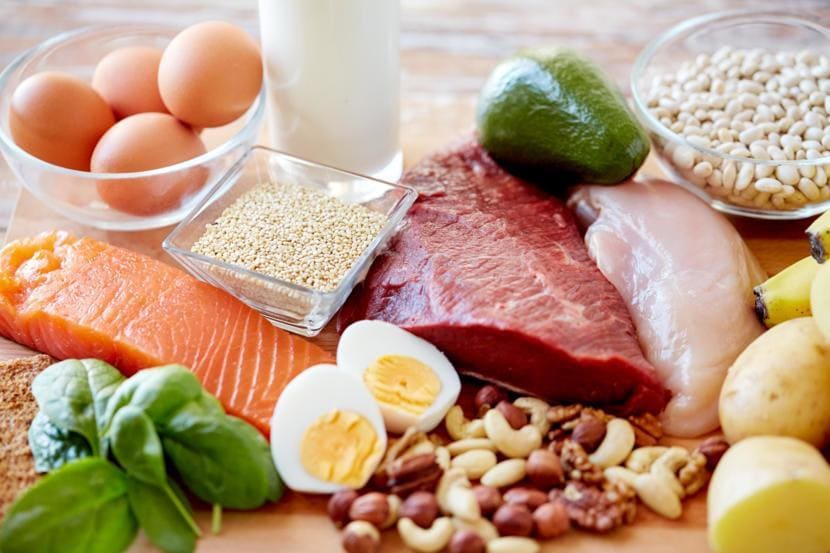
There is plenty of riboflavin in offal such as liver, heart, and kidney, regardless of whether they come from beef, pork, game, or poultry. Liverwurst is therefore also a good vitamin B2 food. When it comes to fish, saithe, and mackerel stand out. In addition, cheeses such as Camembert, Appenzeller, Bergkäse, and Brie as well as other milk products contain a lot of riboflavin. If you have an increased need, you can ignite the B2 turbo with some less common foods. Malt, meat extract, yeast, and dried mushrooms are particularly rich in riboflavin. The following applies to vegetables: the types of asparagus, broccoli, and Brussels sprouts that are often mentioned are NOT outstanding vitamin B2 foods, they contain too little of it. Cereals and bread also do not contain enough vitamin B2 to contribute much to covering the daily requirement for the vital substance. Good news for supporters of the pegan diet, which should avoid grains as much as possible.
How to incorporate vitamin B2 foods into your diet
Anyone who eats a varied and balanced diet need not fear a vitamin B2 deficiency, which is rare in Germany. The DGE recommends consuming whole grain products, low-fat milk and dairy products every day, and meat and fish several times a week. In addition, cooking water should be used if possible, since riboflavin dissolves in the water. Also, keep your vitamin B2 foods in the dark because the vitamin is sensitive to light. Our tips and ideas for vitamin-rich recipes provide you with further information.
Also find out which foods contain vitamin A, vitamin B1, vitamin B6, or folic acid.


Facebook Comments