 John Myers
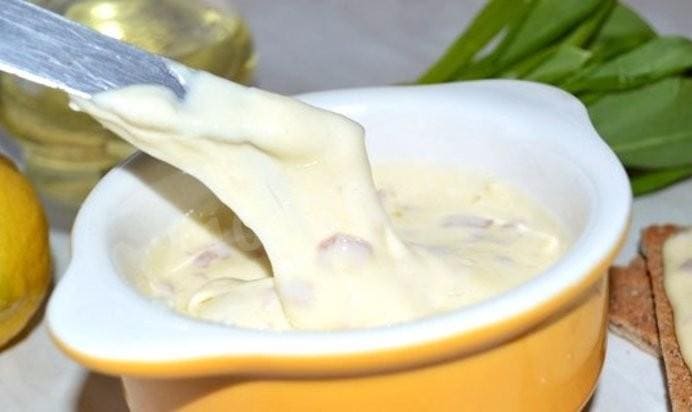
I usually use hard cheese for fondue because it melts very well. However, it needs a certain amount of acid to melt. This loosens the calcium formations from the firm cheese dough and it becomes supple. For this reason, a fondue works best with an acidic white wine. If it gets lumpy, just add a little more lemon juice.
Should be melted at a moderate temperature (150°C), otherwise, it tastes bitter. The age of the cheese is decisive for the melting behavior: Younger cheese melts more easily than longer matured ones. Finely grated cheese melts faster and spreads more evenly.
How well does Gouda melt?
Gouda is naturally low in fat. It is usually around 30%. It is therefore only conditionally suitable for melting.
Which cheese melts slowly?
Soft, easily melting types of cheese such as cream cheese, brie, young semi-hard cheese (e.g. Gouda or Fontina) or processed cheese are particularly suitable for liquid dishes such as sauces and soups.
Can any cheese be melted?
In principle, any cheese with a fat content of around 30% or more is absolutely suitable for melting, gratinating, and gratinating. So always prefer cheeses with high-fat content.
What cheese doesn’t melt well?
In order for cheese not to melt, its pH value must be above 5.9. Halloumi, so-called grilled cheese, has such a low pH value. Melting cheese for gratinating, for fondue, or raclette, on the other hand, has a pH below 5.9.
Which cheese doesn’t work?
Feta has a fat content of 45% and hardly runs. The cheese impresses with its salty-sour aroma and its spicy taste. It is suitable for hearty dishes, pizza, and casseroles. Soft cheeses such as Camembert can also be used to gratinate dishes.
At what temperature does cheese melt best?
Temperature: For a fondue, cheese should not be heated above 135 °C, otherwise the protein will coagulate and separate from the fat. Soft cheese melts evenly at 160 °C. At over 180 °C casseroles and co get a crispy crust.
Which cheese melts the fastest?
However, not all cheeses are good for melting: choose soft and/or high-fat varieties. Mozzarella, Gouda, Emmental, Cheddar, or Gorgonzola, for example, produce a particularly nice glaze.
At what temperature does Emmental cheese melt?
The softening points of cheddar and Emmental are close together at 60.1 °C and 62.7 °C.


Facebook Comments