 John Myers
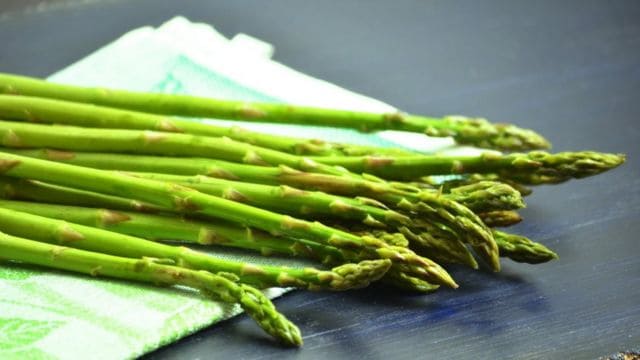
The different colors of asparagus are caused by the sun’s rays, to which the spear vegetables are exposed – or not: White asparagus or bleached asparagus are cultivated in mounds of earth under the ground. Before it comes into contact with sunlight, it is pricked and thus retains its white coloration.
In contrast, purple asparagus is only harvested when it has already slightly broken through the soil surface. The effect of light produces the plant pigment anthocyanin, which colors the tips purple. Green asparagus is grown entirely without earth walls and therefore grows mostly above ground. The chlorophyll dye is formed by exposure to light and gives it its rich green color.
The asparagus variants not only differ in appearance but also in taste. Green asparagus tastes heartier and stronger than white. The purple asparagus has a slightly more intense taste than the white, but not as aromatic as green asparagus. In southern Europe, the green variety is preferred, which is a bit richer in vitamin C, provitamin A, and folic acid. In Germany, white asparagus is the most commonly eaten. Purple asparagus is not offered as often in this country as white or green asparagus.
White asparagus is available from Peru all year round but is only available in comparatively small quantities in Germany. The first European white and purple asparagus usually comes from Greece or Hungary, then from Spain and the Netherlands until the German season begins. German white asparagus is preferably sourced regionally.
The special features of each type must also be taken into account during preparation: While you only have to peel the lower third of green asparagus, the peel of white and purple asparagus should always be completely removed and only the asparagus heads spared.



Facebook Comments