 John Myers
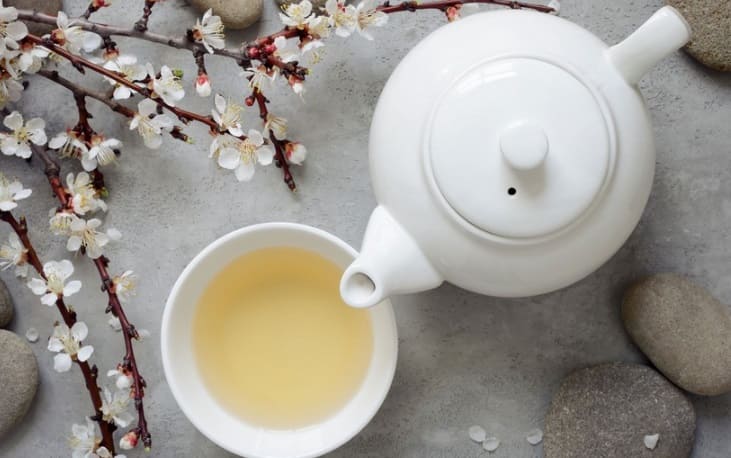
White tea can do that
White tea has a stimulating effect on the human organism. Here we explain why this is and what else the dried leaves can do.
- Like green and black tea, white tea is made from the camellia plant. However, only the closed flowers are used for white tea. Another difference from the other varieties is the degree of fermentation: white tea is the most natural.
- Like black tea or green tea, white tea contains caffeine. However, the caffeine content of white tea is comparatively low. Nevertheless, it has a stimulating effect.
- Furthermore, white tea has a very high polyphenol content. Thus, the tea has an anti-inflammatory and antibacterial effect and is also said to help against plaque deposits in the blood vessels. Polyphenols are an antioxidant and are therefore of great importance as a radical scavengers. The tea is also said to help with fat loss.
- In China, white tea is also said to have a blood pressure-lowering effect – especially during the second and third infusion. Here you should not ignore the caffeine content of the tea.
- Theophylline, another ingredient in white tea, has beneficial effects on the heart. The active ingredient is used in higher doses against bronchial diseases, but it can also develop its positive effect in tea.
- However, white tea does not only contain good ingredients: Pesticides are also found again and again in larger concentrations. Therefore, you should use organic tea whenever possible.
White tea – you should keep this in mind when preparing it
When brewing white tea, there are a few things to keep in mind for best results:
- For a cup of tea, you should use a small spoonful of loose tea leaves.
- The water should not boil when poured. A temperature of 75 to 80 degrees is ideal.
- Then let the tea steep for two to five minutes. Incidentally, you can pour it on several times. The tea does not become bitter, but only changes its strength and taste.



Facebook Comments