 John Myers
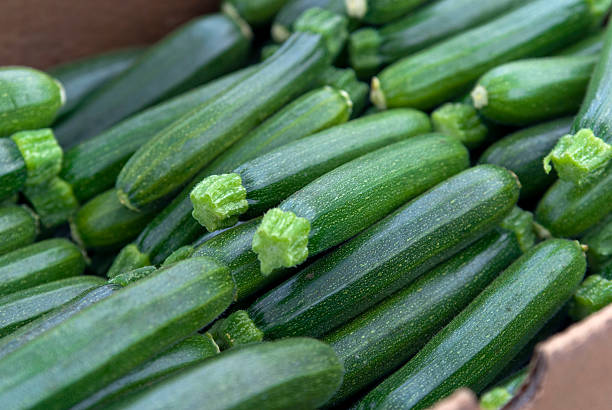
Zucchini is an integral part of summer dishes and especially of Mediterranean cuisine. The little pumpkin is also very healthy. In this article, we will tell you what is in it.
Zucchini – it’s so healthy
You can find zucchini in supermarkets all year round. They have only really become well-known here since the 1980s and are often used for many dishes.
- In 17th-century Italy, courgettes were cultivated as garden gourds. Translated, the name means “little pumpkins” (plural). In Germany, however, the form is also common for a single fruit.
- Breeding also spread to the rest of Europe, with yellow as well as green courgettes.
- You can plant or sow zucchini from March to April. It is advisable to plant them outdoors a little later.
- The small pumpkins are in season between July and October and can be harvested.
- The optimal storage temperature is between 13 and 15 degrees. The courgettes will keep for about five days.
There are countless ways to prepare zucchini. Due to their low taste, they are suitable for salads, but also hearty dishes such as casseroles. - In addition to a lot of water, they contain very few calories and are ideal in combination with minced meat, which is well suited as a filling.
- Not to be scoffed at is the mineral and vitamin content. Calcium is included for healthy bones. Iron for blood formation, but also vitamins A and C for the eyes and immune system.
- In addition, the pumpkin plant also scores with fiber and lutein, which in turn is good for the eyes.
- If you want to enrich your garden with zucchini, then two plants can easily meet the needs of a family of four, as the yield is quite high. Approximately 15 cm long and 200 g in weight is the ideal harvest weight.



Facebook Comments