 John Myers
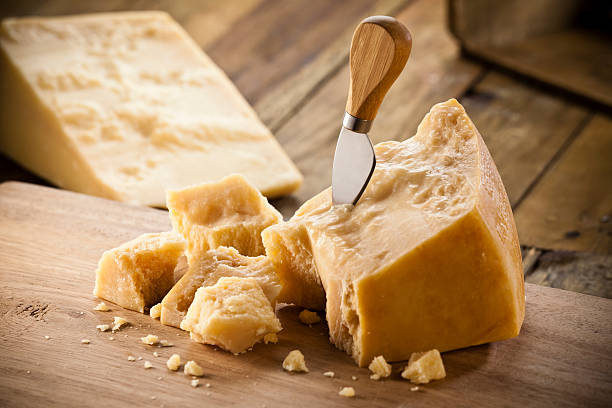
If you want to eat cheese rind, you should take a good look at what kind of rind it is. The reason is that not all of them are suitable for consumption. We’ll tell you what to look out for.
You should not eat every cheese rind
Cheese rind primarily serves to protect the cheese from external influences. Above all, moisture should be kept away so that no mold can form.
- Basically, you should not eat cheese rinds that are made of artificial substances or contain preservatives.
- Artificial cheese rinds are made of plastic, wax, or paraffin, among other things. You can see on the packaging whether this is the case.
- Cheese rind with natamycin has a similar effect to penicillin and should therefore be cut off about half a centimeter.
- In fact, if you consume this bark regularly, you may become resistant to certain medicines. You can recognize such a cheese rind by information such as “E 235” or “Pimaricin”.
Eat the rind of the cheese – it’s possible with these species
Not every cheese rind has to be cut off before consumption.
- If the cheese is naturally matured, you can eat the rind right away. In addition to Emmental and Parmesan, this also includes Allgäu or blue cheese.
- Cheese rinds with biochar can also be eaten. You can recognize such bark by the abbreviation “E 153” on the product packaging.



Facebook Comments