 John Myers
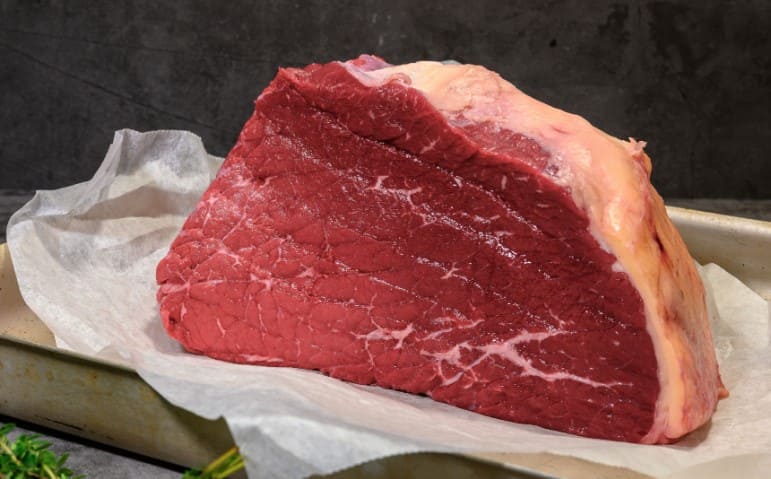
In fact, organic meat is hardly any healthier than conventional meat. For example, it contains just as much purine. For example, organic pork neck for layered meat does not contain more nutrients, nor are they of higher quality. The greatest health benefit is the severely limited use of antibiotics. However, this assessment ignores the question of ethics or taste.
Numerous studies have already looked at whether organic meat is healthier than conventionally produced meat. Other foods with the organic seal were also put to the test. So far, however, it has not been possible to prove that these products have a higher nutrient content. They contain neither more vitamins nor a distribution of fats or proteins that is more favorable for health. So our body doesn’t notice any difference whether our food is produced according to ecological criteria or not – at least almost.
Because one aspect speaks in favor of organic meat: according to the guidelines, breeders of beef, pork or chicken are prohibited from adding antibiotics to animal feed. In order to be sold as organic meat, pigs and poultry may only be treated with a conventional antibiotic or painkiller once in their life. Accordingly, fewer antibiotic-resistant bacteria can be detected in the meat. There is no clear clinical evaluation of how healthy this is. Consumers should therefore make their decision for or against organic meat dependent on other factors, such as ethical, ecological or very personal aspects.


Facebook Comments