 John Myers
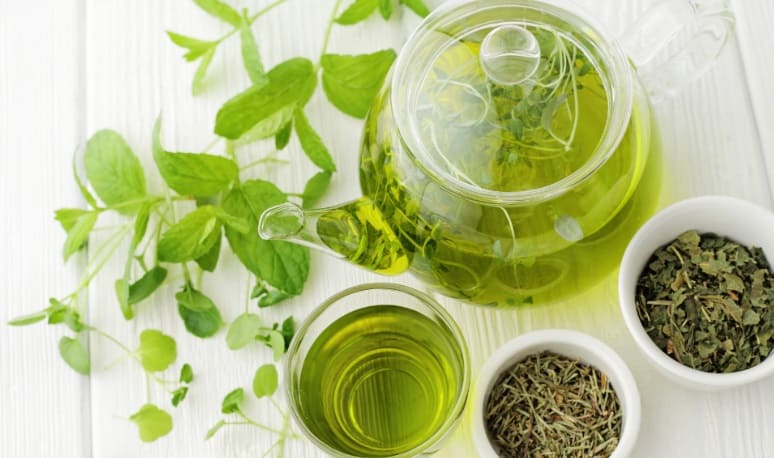
Green tea in moderation during pregnancy
Like coffee, green tea contains caffeine. In high doses, caffeine can be problematic during pregnancy and dangerous for the unborn baby.
- As always, the dose makes the poison. If you are pregnant, you should aim to consume less than 200 mg of caffeine per day. That equates to about two to three cups a day.
- This amount should have no detectable negative effects. However, there is also no clear recommendation for consumption.
- However, the findings are not completely certain: A study was able to prove that with a quantity of less than 200 mg of caffeine there is no increased risk of premature birth, but the birth weight can still be reduced.
- Basically, you should reduce the consumption of caffeine during pregnancy. However, of all the ways you can get caffeine, green tea is the most harmless.
- The caffeine in green tea is bound to so-called tannins. These cause the stimulating substance to be absorbed more slowly from the intestine than unbound caffeine from coffee.
Tips for green tea during pregnancy
Green tea is not just green tea. Depending on the variety, cultivation area, and preparation, the ingredients of the tea differ significantly.
- If you choose a mild type of green tea, such as Karigane, which contains very little caffeine, the risk to your child is significantly reduced. Therefore, always find out about the approximate amount of caffeine and the other ingredients in your tea.
- It is important that you always maintain the correct water temperature and brewing time and do not exceed it: let it steep for two minutes and water that has cooled to 60 degrees is sufficient. More caffeine can get into the water over a longer brewing time or higher temperature.
- Basically, you should make sure that the tea has not been treated with pesticides. Organic certified teas are suitable for this.
- Pesticide exposure can vary depending on where the tea is grown. Therefore, it is better to choose varieties from Japan than from China. These are usually less heavily loaded.
- For most cultivation areas in both China and Japan, however, the soil is heavily contaminated with lead. Plants absorb this substance and it gets into the tea leaves. For this reason, too, you should keep your intake within limits.


Facebook Comments