 John Myers
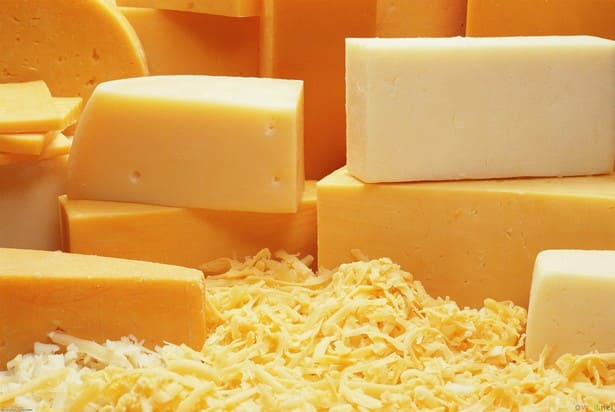
There are different cutting techniques and various accessories for the correct cutting of cheese. After all, the cheeses vary greatly from each other. For example, you cut parmesan very differently than brie. With the appropriate cutting technique, it also makes a difference what you want to use the cheese for, for example as a sandwich topping or for a sophisticated cheese platter.
When you’re slicing cheese for yourself, a beautiful presentation isn’t important. However, it is advisable to always keep the cutting surface as small as possible when slicing cheese so that it does not dry out so quickly. A small selection of tools and various cheese knives is also helpful for this.
However, if you want to put together a cheese platter, you should follow a few rules when slicing cheese. With a few tips you not only ensure a beautiful look but also give all guests the same taste experience:
- Always cut only as much cheese as is likely to be eaten. Store the rest of the cheese well wrapped in the fridge, also for possible re-cutting.
- If the cheese has an inedible rind (wax or paraffin), remove it completely before serving.
- If you can eat the rind of the cheese, make sure that all pieces of cheese have the same amount of rind. This not only ensures authentic cheese enjoyment but is also visually appealing.
- If the cheese is in a flat, small pie shape like many soft kinds of cheese, cut into bite-size pie pieces. All pieces have the same amount of bark after cutting.
- If the “cake” is too big for this cutting technique, first divide a larger piece of cake. Then cut the top of the piece of cake into small triangles in a zigzag pattern. In the end, slices of the same size can be cut from the broad side.
- Also cut rectangular pieces of cheese into triangles. Stand these up and cut them into thin slices.
- Cut cream cheese and goat cheese in rolls with a cheese lyre. The wire makes a clean cut possible.
- The Kaselyra is also well suited for blue cheese. With the wire, bite-sized triangles can be cut quite precisely from the often very soft cheese. Use the same cutting technique as you did for the piece of cake from the large wheel of cheese.
- The pieces of cheese served should be the same size.
- Sliced pieces of cheese of the same type should be placed as close together as possible to prevent the cutting edges from drying out.
- Remove cream cheese from plastic packaging with a scraper. Using a cheese knife, place the mixture on a small piece of bread without spreading it.
There are particularly suitable cheese knives and tools for the different types of cheese. If you want to cut different types of cheese, for example for a cheese platter, it can sometimes be an advantage to wash the tool thoroughly after each type or to use a separate tool for each cheese so as not to distort the taste. This is especially true for very soft cheeses such as Brie or various types of blue cheese. A soft cheese knife is recommended as a suitable tool. Its blade is usually serrated and cuts effortlessly through cheese. The perforation in the blade prevents the often sticky cheese from sticking to it. If you regularly cut different types of blue cheese at once, it is best to have several soft cheese knives ready. In this way, you prevent the fungal cultures from spreading to another type of cheese and changing the taste. Different handle colors help to differentiate.
Hard cheeses such as Gouda, Edam, and Tilsiter are best cut with a cheese knife with a strong and very sharp blade. A so-called intervention knife, for example, is suitable. It should have an etched blade to keep the cheese slices from snagging. A so-called Kullenschliff, in which the blade is provided with several indentations, has the same effect. A cheese slicer can be used to cut particularly thin slices, especially from firm semi-hard cheese.
The so-called cheese harp is also suitable for soft cheese, and blue cheese, but also for cream cheese rolls. This tool is a taut wire that can be used to cut the types of cheese mentioned with particular precision without any effort. Advantage of the cheese harp: Hardly any leftover cheese gets caught on the wire.
Hard cheese, on the other hand, is particularly easy to cut with a cheese cleaver or with a cheese knife with a strong and sharp blade. A cheese slicer that cuts particularly thin slices is also suitable. A hard cheese crusher, on the other hand, cuts very hard cheese into rather large pieces.
With a cheese grater, you can grate any semi-hard or hard cheese to various degrees of fineness for use in pizza or casseroles.



Facebook Comments