 John Myers
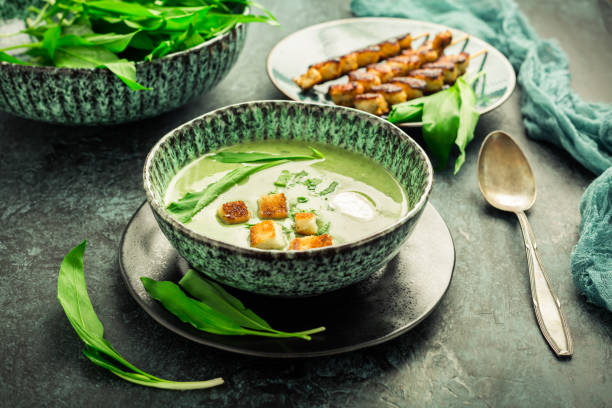
Especially in the summer after a thunderstorm, it often happens that a soup that was freshly cooked the same day suddenly tastes sour and inedible in the evening. This is due to the change in temperature.
That’s why soup spoils so quickly and turns sour
If a soup has spilled over, this usually does not mean that the soup was spilled, but that it tastes sour and spoiled just a few hours after cooking. The phenomenon occurs particularly frequently in summer in connection with a thunderstorm.
- On warm summer days, especially when a thunderstorm is imminent, the air is muggy and stuffy and there is often hardly any air circulation.
- Due to the lack of air circulation, soups and stews take much longer to cool down. It stays warm for a long time, especially at the bottom of the pot
- Bacteria multiply fastest at temperatures between 10 and 40 degrees. Temperatures above 65 degrees slow down their proliferation. So if soup or stew does not cool down quickly enough and stays warm for a long time, many acid germs, which are responsible for the sour taste, quickly form.
- You can identify an overturned soup by a sour or rancid odor. In addition, the soup tastes sour-sweet and often inedible.
- Since the sour taste is a sign of high bacterial growth, you should not eat an overturned soup, even if it was made the day before. It is due to the heat in no time and must be disposed of.
- Depending on the ingredients in the soup, eating a sour soup can have serious health consequences, ranging from the stomach and intestinal problems to food and salmonella poisoning.
So the soup stays fresh longer and doesn’t tip over
Larger portions of soups and stews are often prepared in order to save on cooking the next day. The freshly prepared soup should be cooled down as quickly as possible and stored properly so that your soup does not fall over in the summer and can be kept for as long as possible.
- Use only clean cookware when cooking. A spoon that you have already seasoned with should not be used again for tasting or stirring, otherwise bacteria from your saliva will get into the soup and spoil it faster.
- Of course, the soup is best kept in the fridge.
- After cooking, however, the fresh soup is usually too hot to decant and store in the refrigerator. She needs to cool down first.
- If you let the soup cool down in the large pot, then the lid should not remain on the pot. If the lid is on the pot, the heat accumulates better in it.
- Ladles and cookware should also be removed from the pot. Bacteria can already be sitting on this, which then multiply quickly in the warm soup.
- For a smaller or medium-sized pot, you can run some cold water in your sink and put a pot in here after boiling to cool faster.
- If soup or stew is to be enough for several servings, you can pour your dish directly into clean, smaller containers such as Tupperware. Due to the smaller volume, the smaller bowls cool down faster than the large pot and can therefore be put in the fridge faster.



Facebook Comments