 John Myers
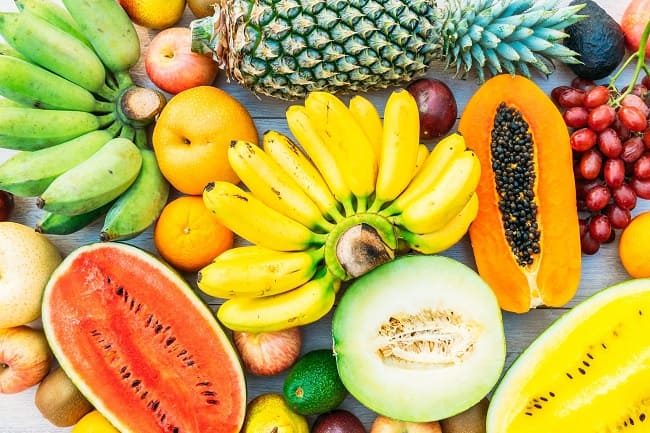
Anyone who takes a closer look at vitamins will find that they can be found in numerous other food categories in addition to fruit and vegetables. But what do we actually need vitamins for and what tasks do they perform in our body? An overview.
Vitamins – a colorful bouquet of nutrients
Vitamins are essential for the body, that is, they are vital because they influence all biochemical processes of the organism. In addition to regulating the carbohydrate and protein balance, they support the immune system and have a special effect on certain tissues such as the eyes, bones, connective tissue, and blood. Like minerals and trace elements, vitamins are micronutrients. They don’t provide any energy themselves, but they are important nonetheless. Chemically, they do not form a single unit. What they all have in common is that they have to be supplied to the body with the help of foods such as fruit, vegetables, and animal products. In addition to fresh products, dried products such as rosehip powder can also make a contribution here. There is a basic distinction between fat-soluble and water-soluble vitamins. This is important to know when preparing vitamin-rich recipes: Fat-soluble vitamins are better absorbed by the body if you enjoy foods rich in them with a little oil or butter. Below you will find an overview of the most important vitamins.
Vitamin A (retinol)
Vitamin A is part of the visual pigment in the eye and contributes to the maintenance of normal vision. Fat-soluble retinol is also involved in iron metabolism and plays a role in the immune system. You can get it directly from foods like fish, butter, and cheese. In addition, many types of fruit and vegetables provide the precursor of vitamin A, beta-carotene. It is converted into vitamin A in the body.
Vitamin B7 (biotin)
Vitamin B7 is also popularly called the beauty vitamin because it contributes to the maintenance of normal hair and skin. Biotin is also important for the psyche and the nervous system and is involved in energy metabolism. A regular intake succeeds, among other things, with eggs, nuts, mushrooms, and offal.
Vitamin B9 (folic acid or folate)
Folic acid, or more precisely folate, fulfills important functions in cell division, blood formation, and metabolic processes. Therefore, the need is particularly high during pregnancy and lactation, because vitamin B9 contributes to the growth of maternal tissue during pregnancy. Further tasks concern the immune system, the psyche, and amino acid synthesis. Good sources of folate include green leafy vegetables, kale, peas, nuts, offal, and camembert.
Vitamin B12 (cobalamins)
Vitamin B12 is mainly found in animal foods: in fish, meat, dairy products, and eggs. The vitamin contributes to normal energy metabolism, the formation of red blood cells, and cell division and also maintains the functions of the nervous and immune systems. People who choose a vegan diet should consider supplementing with B12 to ensure adequate supply.
Vitamin C (ascorbic acid)
The water-soluble vitamin C has protective and restorative functions. After intensive physical activity, it helps to maintain the function of the immune system – those who devote themselves intensively to their fitness and do a lot of sport should pay particular attention to meeting their needs. Vitamin C also promotes iron absorption through the intestines. Our body cannot store vitamin C, so it has to be ingested anew every day, for example from vegetables and fruit, but also from sausage. The freshness of fruit and vegetables is important. Cabbage varieties lose their vitamin C content during cooking and simmering. So enjoy foods rich in vitamin C more often raw, such as freshly squeezed orange and lemon juice in a delicious ginger shot. You can read about the vitamin C content of oranges here. You will also learn everything about sea buckthorn and its uses.
Vitamin D (Calcitriol)
Vitamin D is present in our skin as a provitamin and can only be biosynthesized into vitamin D3 through exposure to the sun’s rays. It is therefore also called the “sun vitamin”. Dietary intake is almost irrelevant, but fish dishes and avocados can meet part of the need. It is stored in adipose tissue, where it can serve as a winter supply for days with little sun. The central task is calcium metabolism, as it contributes to a normal calcium level in the blood and to the normal absorption and utilization of phosphorus. Incidentally, due to our geographical location and the lack of sun on many days, around 30 percent of Germans are deficient.
Vitamin E (tocopherol)
Due to its antioxidant effect, vitamin E fulfills the function of protecting cells from oxidative stress. It is best to add sunflower seeds, nuts and almonds or pine nuts, vegetable oils, and whole grain products to your diet to counteract a deficiency.



Facebook Comments