 John Myers
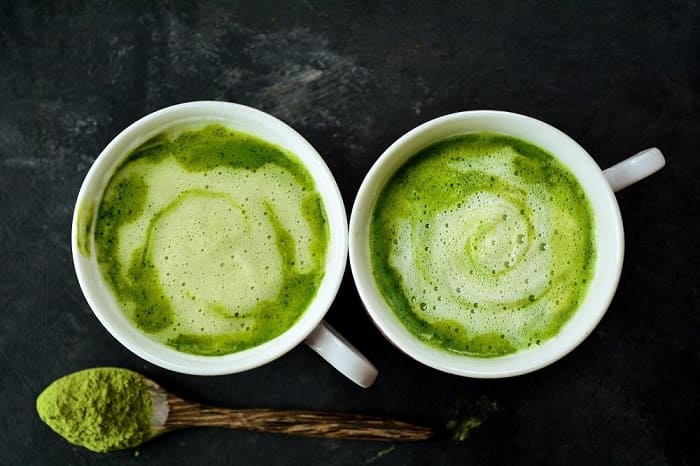
The effects of matcha tea have been known for a long time. The special variant of the green tea has a more intense effect than the usual Sencha green tea. Anyone who is active in sports and who does a lot of brain work can benefit particularly from the drink.
Matcha – the effect of green tea
The effect of matcha tea is a little different from that of the usual sencha tea. The reason for this is that the ingredients in green tea are more concentrated in the matcha variant.
- Matcha tea is made from the same plant as Sencha green tea. The main difference concerns the processing. In addition, the tea plant used for matcha tea grows in the shade. As a result, the leaves contain more L-theanine, an amino acid that acts as a caffeine antagonist and has a calming effect.
- To make matcha tea, the leaves are first dried and then ground. Because the whole leaf is ground into a powder and dissolved in water or milk when drunk, the tea contains more caffeine than Sencha tea. A cup of matcha contains almost as much caffeine as a cup of coffee! However, the caffeine in tea is metabolized differently than the caffeine in coffee. The effect lasts longer and there is no subsequent phase of tiredness.
- If the whole tea leaf is processed, there are also other advantages for the effect of the tea. The proportion of antioxidants, vitamins and minerals, for example, also becomes much larger when the powder is drunk.
Side effects of matcha tea
If you drink the tea in healthy amounts and don’t overdo it, you don’t have to be afraid of possible side effects. However, if you drink too much tea, you could suffer from the following side effects:
- headache
- heartburn
- diarrhea
- dizziness.
Damage from toxins
You should always go for a high -quality product, because the tea leaves not only collect vitamins and minerals, but also toxins. Poor quality tea often contains large amounts of aluminium, which is harmful to health. Aluminum is suspected of causing cancer and damaging fertility.



Facebook Comments